Asia's Largest Na Forest & Pink Rose Quartz Mountain
A 550-million-year geological marvel wrapped in sacred ironwood forest, ancient monastery ruins, and living Buddhist heritage — in the heart of Sri Lanka.
Discover the story in your language
Jathika Namal Uyana is one of Sri Lanka's most extraordinary natural and cultural heritage destinations. Situated in the dry zone of the North Central Province, and it is considred worldwide as the largest Na (ironwood) forest and the largest pink rose quartz mountain range in Asia.
This remarkable protected sanctuary lies approximately 7 kilometres from the Madatugama junction on the Colombo to Anuradhapura highway (A9), in the village of Galkiriyagama, nearby Dambulla.
What makes Namal Uyana truly unique is the convergence of four elements in a single landscape i.e an ancient ironwood forest, a 550-million-year-old rose quartz mountain, rich Anuradhapura kingdom archaeology, and living Buddhist spirituals.
The sanctuary was formally recognised as an Archaeological Reserve on 12 November 2001 and declared as a National Heritage Site on 28 May 2005 under the Department of Wildlife Conservation. In 2026, the site was further honoured with a special announcement of National Heritage recognition, reinforcing its status as one of Asia's most significant protected sanctuaries. The total reserved area is approximately 1,005 hectares.
ජාතික නාමල් උයන ශ්රී ලංකාවේ වඩාත් සුවිශේෂී ස්වාභාවික හා සංස්කෘතික උරුමයන්ගෙන් එකක් ලෙස සැලකේ. කොළඹ අනුරාධපුර මහාමාර්ගයේ මඩටුගම හන්දියේ සිට කිලෝමීටර් 7ක් පමණ දුරින් ගල්කිරියාගම ප්රදේශයේ පිහිටා ඇති මෙය, ආසියාවේ විශාලතම නා වනාන්තරය සහ රෝස තිරුවානා කඳු පන්තිය ලෙස ප්රසිද්ධය.
නාමල් උයනේ ඉතිහාසය අනුරාධපුර යුගය දක්වා වසර දහසකට වඩා ඈතට දිව යයි. ක්රිස්තු පූර්ව 3 වන සියවසේ දේවානම්පියතිස්ස රජුගේ පාලන සමයේදී මෙම වනාන්තරයේ බෞද්ධ භික්ෂූන් වහන්සේලා වාසය කළ බව විශ්වාස කෙරේ.
2001 නොවැම්බර් 12 දින පුරාවිද්යා රක්ෂිතයක් ලෙසත්, 2005 මැයි 28 දින ජාතික උරුම ස්ථානයක් ලෙසත් නාමල් උයන නිල වශයෙන් ප්රකාශයට පත් කරන ලදී. 2026 වර්ෂයේ දී ජාතික උරුමය ප්රකාශ කිරීමේ සිදුවීම තවදුරටත් මෙහි ඓතිහාසික වැදගත්කම තහවුරු කළේය. මෙම රක්ෂිතය හෙක්ටෙයාර් 1,005ක භූමි ප්රදේශයක් ආවරණය කරයි.
தேசிய நாமல் உயன (Jathika Namal Uyana) இலங்கையின் மிகவும் அசாதாரணமான இயற்கை மற்றும் கலாச்சார பாரம்பரிய நிலப்பரப்புகளில் ஒன்றாக அங்கீகரிக்கப்பட்டுள்ளது. கொழும்பு-அனுராதபுரம் நெடுஞ்சாலையில் மதட்டுகம சந்திப்பிலிருந்து சுமார் 7 கிமீ தொலைவில் கல்கிரியகம பகுதியில் அமைந்துள்ள இது, ஆசியாவின் மிகப்பெரிய நா-காடு மற்றும் இளஞ்சிவப்பு குவார்ட்ஸ் மலைத்தொடராக கொண்டாடப்படுகிறது.
2001 நவம்பர் 12 அன்று தொல்லியல் காப்பகமாகவும், 2005 மே 28 அன்று தேசிய பாரம்பரிய தளமாகவும் அறிவிக்கப்பட்டது. 2026 ஆம் ஆண்டில் தேசிய பாரம்பரியம் அறிவிப்பு மூலம் இதன் முக்கியத்துவம் மேலும் உறுதிப்படுத்தப்பட்டது. மொத்த பாதுகாக்கப்பட்ட பகுதி சுமார் 1,005 ஹெக்டேர் ஆகும்.

जाथिका नामल उयाना श्रीलंका के सबसे असाधारण प्राकृतिक और सांस्कृतिक विरासत स्थलों में से एक है। यह उत्तर-मध्य प्रांत के शुष्क क्षेत्र में स्थित है और दुनिया भर में एशिया के सबसे बड़े ना (लौहकाष्ठ) वन और गुलाबी रोज़ क्वार्ट्ज़ पर्वत श्रृंखला के रूप में प्रसिद्ध है।
यह अभयारण्य कोलंबो–अनुराधापुर राजमार्ग (A9) पर मडातुगामा जंक्शन से लगभग 7 किलोमीटर की दूरी पर, डम्बुला के निकट गलकिरियागमा गांव में स्थित है।
नामल उयाना की विशिष्टता इसके एक परिदृश्य में चार तत्वों के संगम में निहित है: एक प्राचीन लौहकाष्ठ वन, 550 करोड़ वर्ष पुरानी रोज़ क्वार्ट्ज़ पर्वतमाला, अनुराधापुर काल की समृद्ध पुरातत्व, और एक जीवंत बौद्ध आध्यात्मिक परंपरा।
इस अभयारण्य को 12 नवम्बर 2001 को एक पुरातात्विक आरक्षित क्षेत्र के रूप में और 28 मई 2005 को वन्य जीव संरक्षण विभाग के अंतर्गत राष्ट्रीय विरासत स्थल घोषित किया गया था। 2026 में, इसे राष्ट्रीय विरासत की एक विशेष घोषणा से सम्मानित किया गया, जो एशिया के सबसे महत्वपूर्ण संरक्षित अभयारण्यों में से एक के रूप में इसकी स्थिति को और दृढ़ करती है। यह आरक्षित क्षेत्र लगभग 1,005 हेक्टेयर में फैला है।
स्थानीय किंवदंती के अनुसार, मुगल सम्राट शाहजहाँ ने आगरा के ताज महल की खिड़कियों को सजाने के लिए इसी पर्वत से रोज़ क्वार्ट्ज़ मंगवाया था — जो इस स्थल के ऐतिहासिक महत्व को और भी उल्लेखनीय बनाता है।
贾蒂卡·纳马尔·乌亚纳是斯里兰卡最非凡的自然与文化遗产目的地之一。位于北中省干旱地带,以亚洲最大的铁木(Na树)森林和粉红色玫瑰石英山脉而享誉世界。
该保护区于2001年11月12日被列为考古保护区,2005年5月28日被宣布为国家遗产地和国家森林保护区,2026年再次获得特别国家遗产认定。总面积约1,005公顷。
ジャティカ・ナマル・ウヤナは、スリランカで最も素晴らしい自然・文化遺産の地の一つです。北中部州の乾燥地帯に位置し、アジア最大のナ(鉄木)の森とピンク色のローズクォーツ山脈として世界的に知られています。
2001年11月12日に考古学的保護区として、2005年5月28日に国家遺産地として指定され、2026年に国家遺産の特別認定を受けました。総面積は約1,005ヘクタールです。
Джатика Намал Уяна — один из самых выдающихся природных и культурных объектов Шри-Ланки. Расположенный в засушливой зоне Северо-Центральной провинции, он известен во всём мире как крупнейший лес железного дерева На и горный массив из розового кварца в Азии.
12 ноября 2001 года объект был признан археологическим заповедником, 28 мая 2005 года объявлен объектом национального наследия, а в 2026 году получил специальное признание национального наследия. Общая площадь — около 1 005 гектаров.
Jathika Namal Uyana es uno de los destinos de patrimonio natural y cultural más extraordinarios de Sri Lanka. Es conocido mundialmente como el mayor bosque de Na (madera de hierro) y la mayor cordillera de cuarzo rosa de Asia.
El santuario fue declarado Sitio de Patrimonio Nacional el 28 de mayo de 2005 y en 2026 recibió un reconocimiento especial de patrimonio nacional. La reserva total abarca aproximadamente 1.005 hectáreas.
Jathika Namal Uyana est l'une des destinations patrimoniales les plus extraordinaires du Sri Lanka — célébré comme la plus grande forêt de Na (bois de fer) et la plus grande chaîne de montagnes de quartz rose d'Asie.
Déclaré Site du Patrimoine National le 28 mai 2005, et reconnu à nouveau en 2026. La réserve totale s'étend sur environ 1 005 hectares.
Jathika Namal Uyana ist eines der außergewöhnlichsten Natur- und Kulturerbe-Ziele Sri Lankas — bekannt als der größte Na-Wald (Eisenholz) und die größte Rosenquarz-Bergkette Asiens.
Am 28. Mai 2005 zum Nationalen Kulturerbe-Ort erklärt, und im Jahr 2026 erneut als nationales Erbe anerkannt. Gesamtfläche: ca. 1.005 Hektar.
자티카 나말 우야나는 스리랑카에서 가장 놀라운 자연 및 문화 유산 목적지 중 하나입니다. 아시아 최대의 나 (철목) 숲과 핑크 로즈 쿼츠 산맥으로 세계적으로 유명합니다.
2005년 5월 28일 국가 문화유산지로 선포되었으며, 2026년에 국가 문화유산 특별 인정을 받았습니다. 총 보호 면적은 약 1,005헥타르입니다.
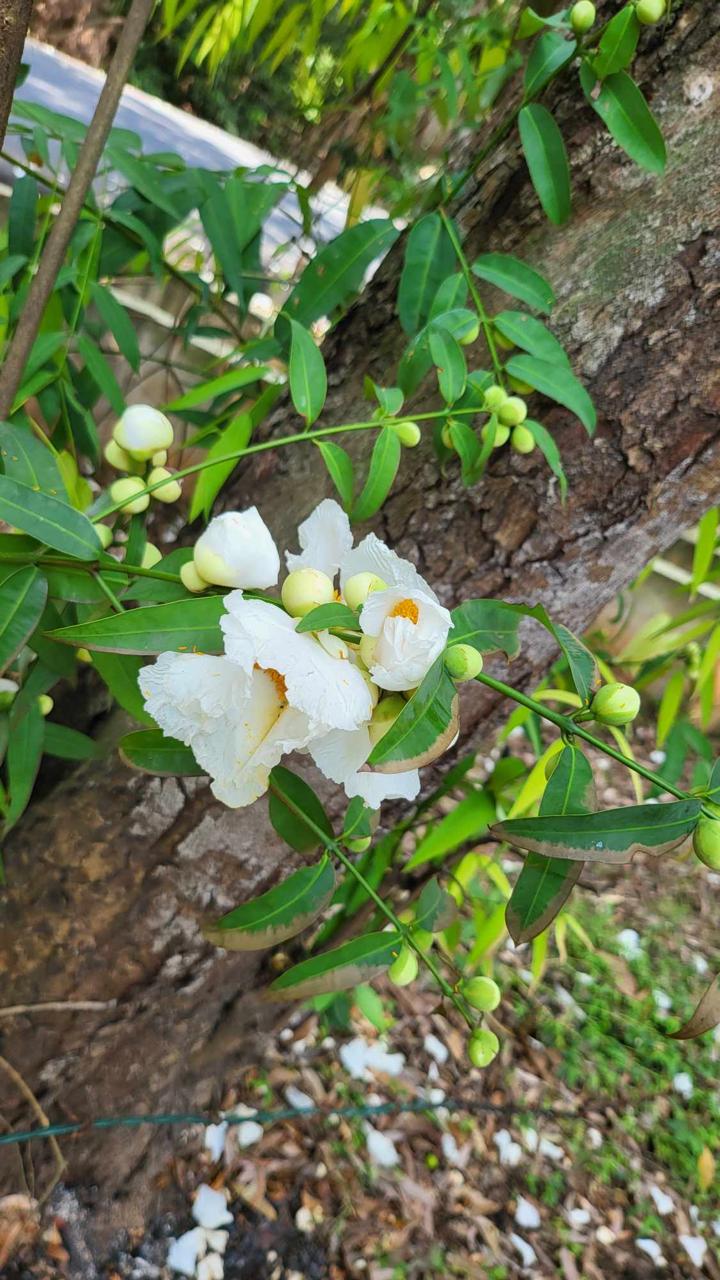
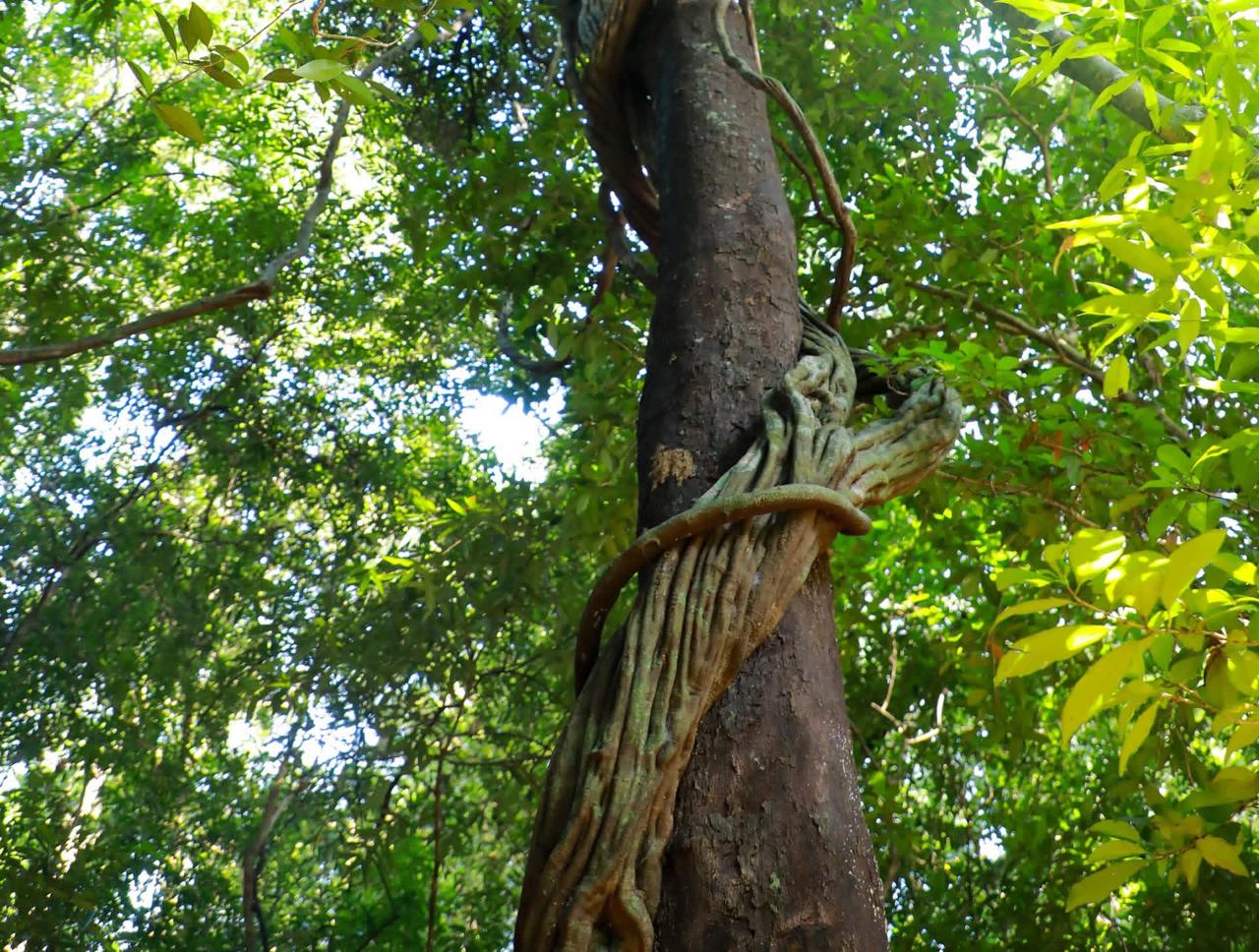
Over 260 acres of sacred Ceylon Ironwood (Mesua ferrea) — Sri Lanka's national tree — home to 102 tropical plant species including 72+ Ayurvedic medicinal herbs.
Seven shimmering pink quartz ridges rising 180–300m — the largest rose quartz formation in South Asia, containing Sri Lanka's biggest plant fossil deposits.
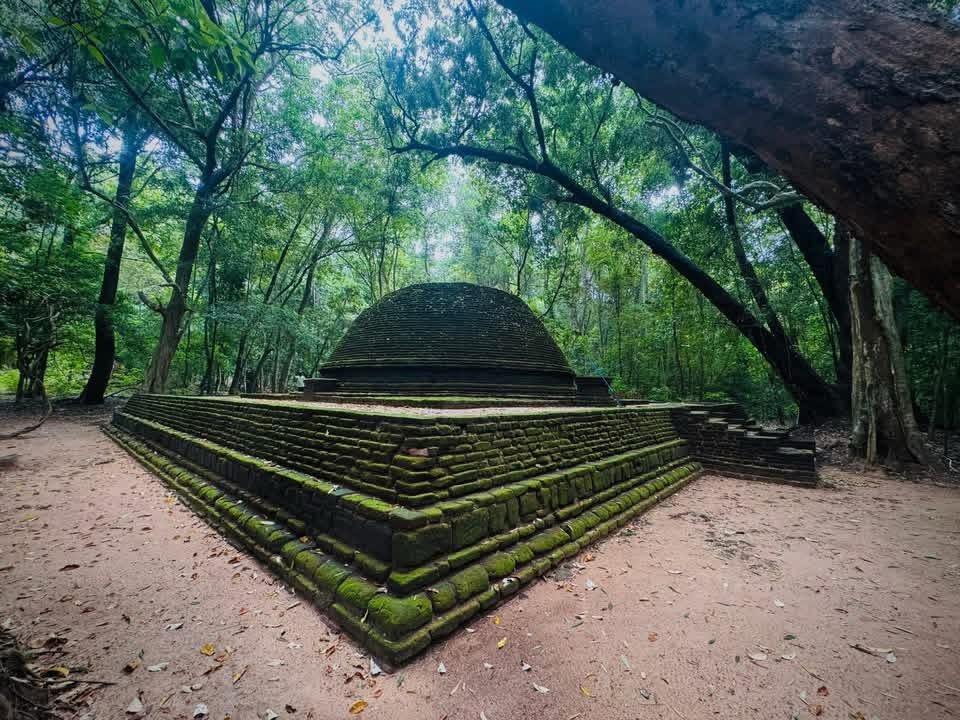
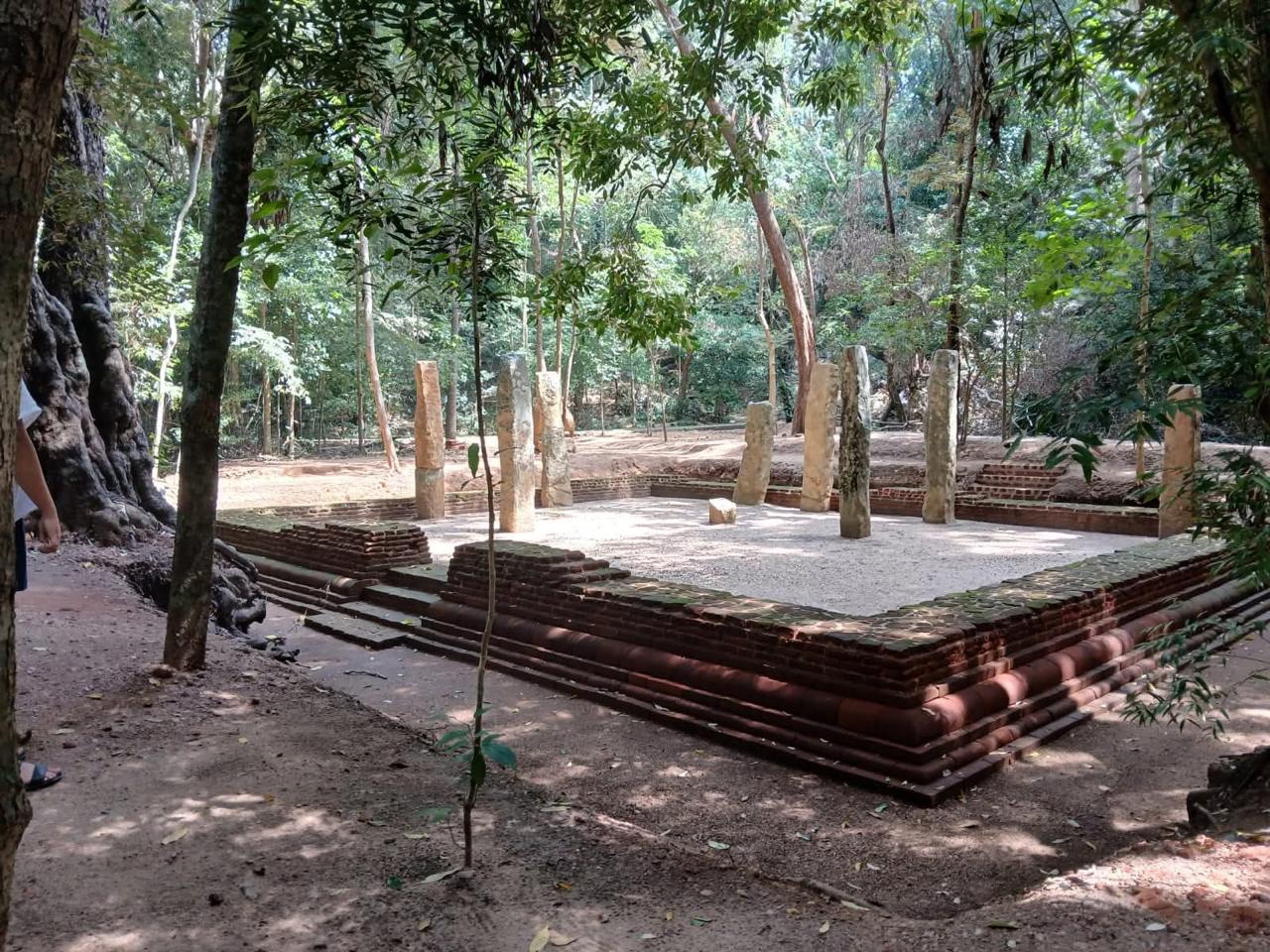
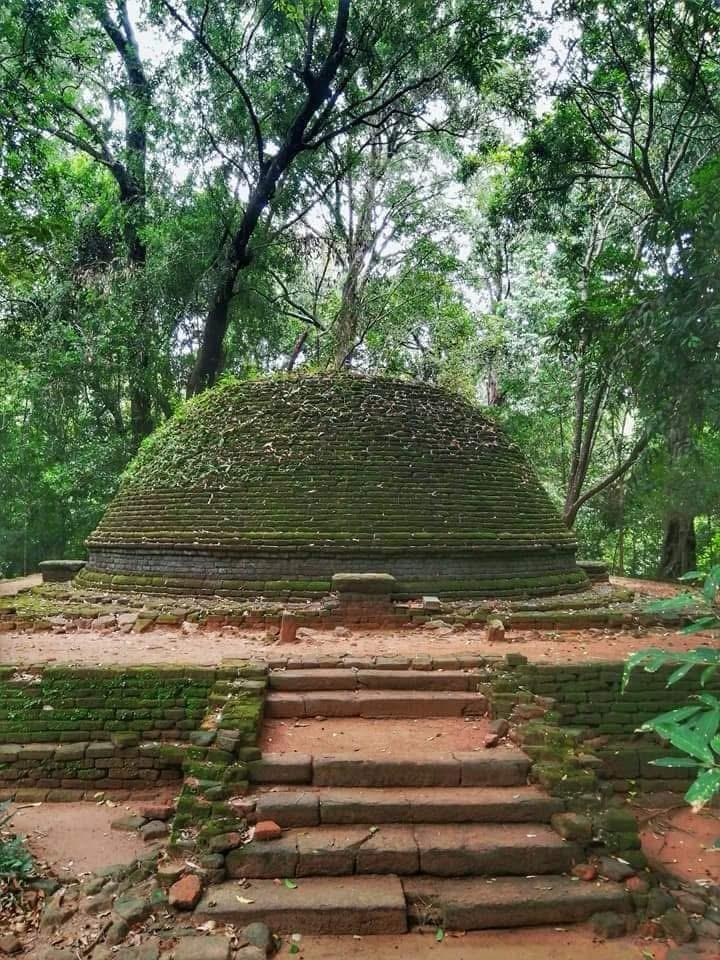
Stupas, stone pillars, inscriptions and monastic remains from the 3rd century BCE. One of the world's earliest documented sanctuaries of human asylum.
An active meditation centre rooted in 2,300 years of forest monastery tradition. Guided retreats, Ayurvedic treatments and nature tracking in a sacred landscape.
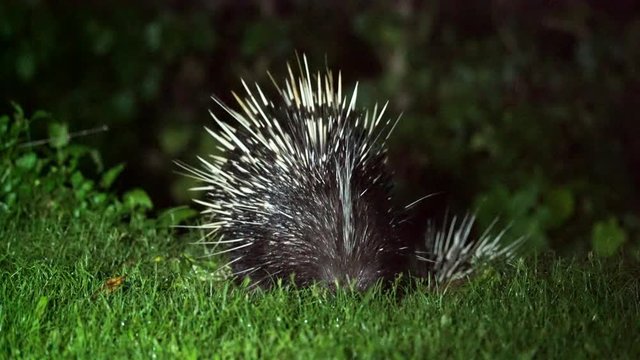
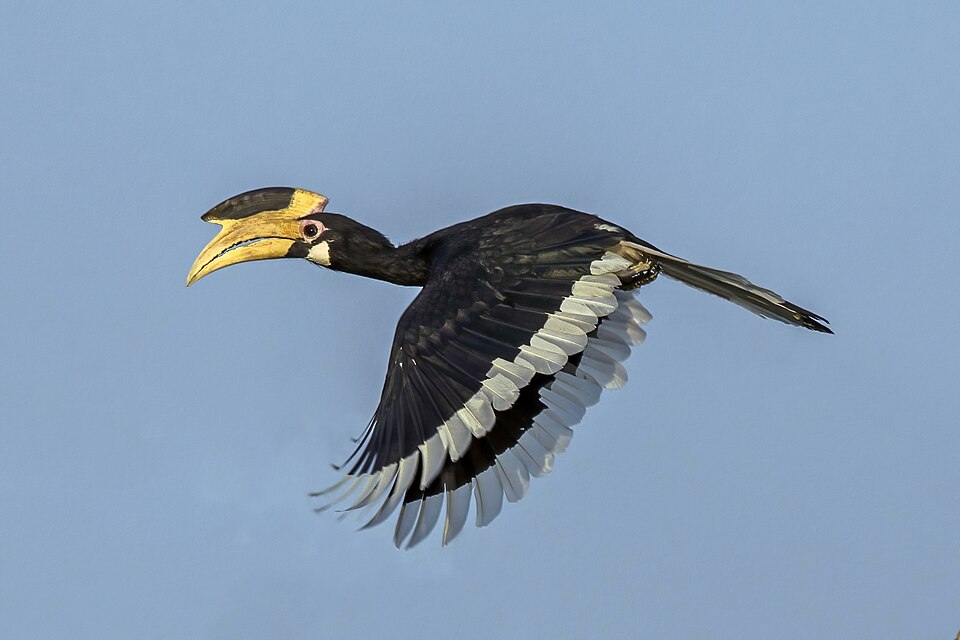
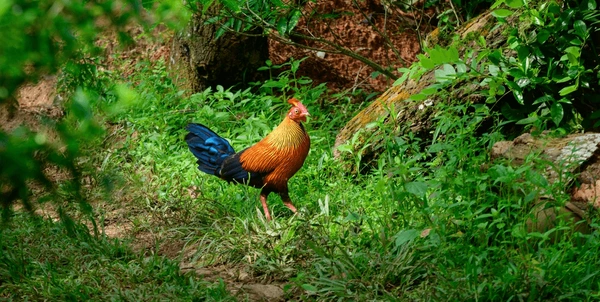
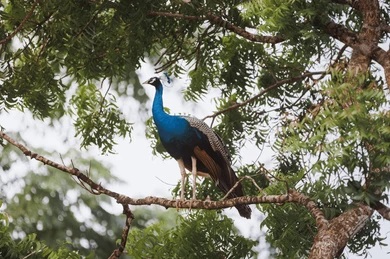
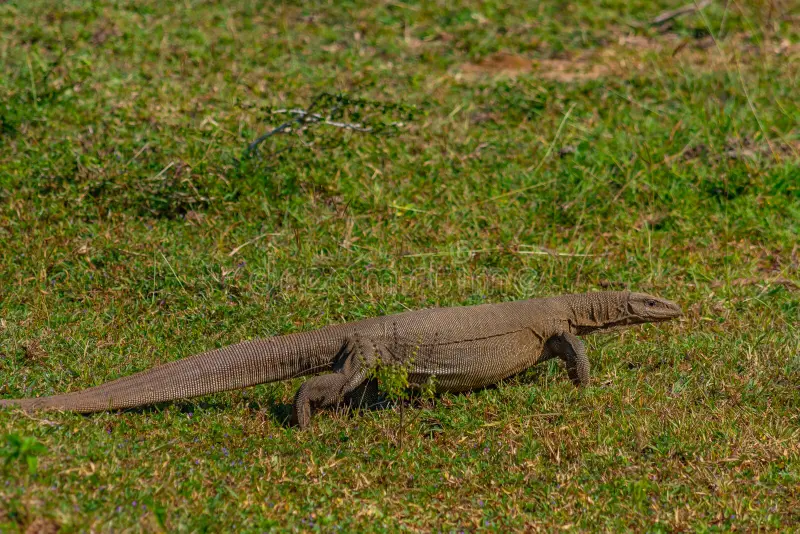
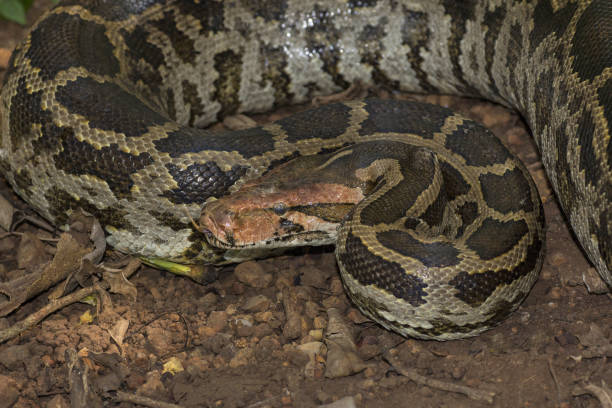
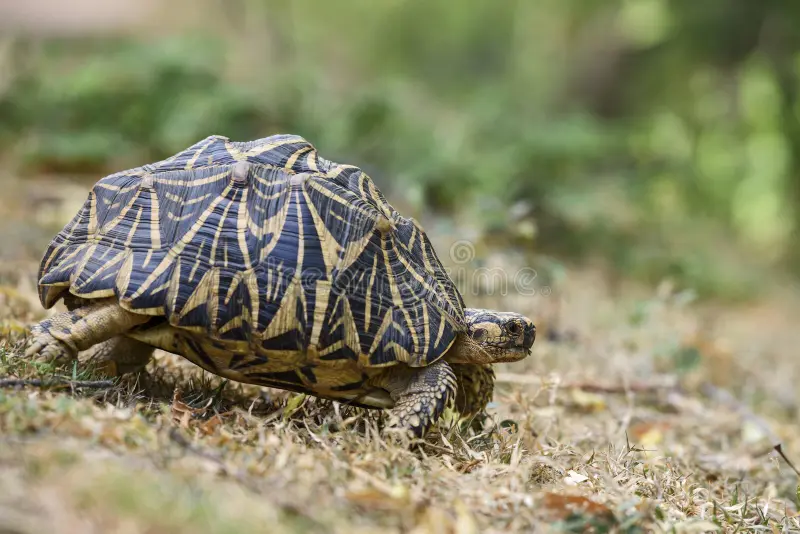
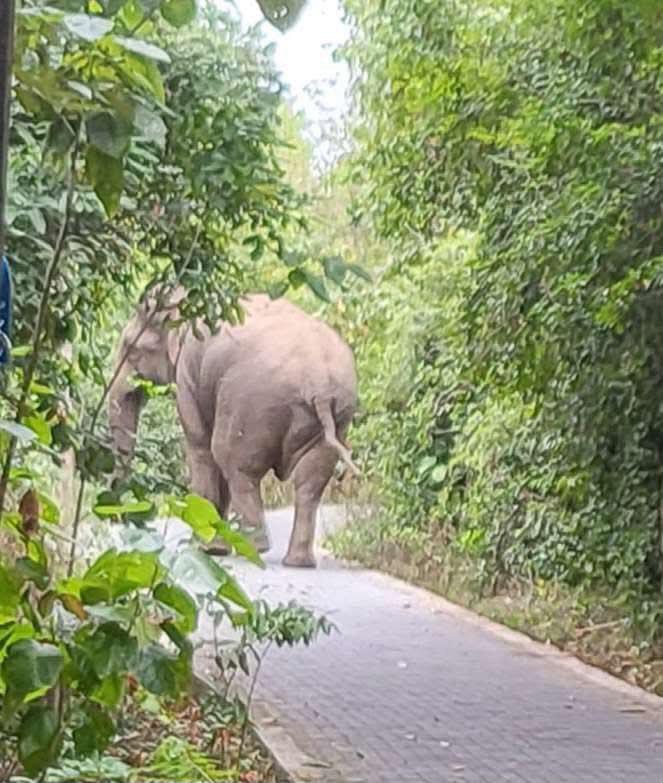
Home to elephants, leopards, 18–20 bird species, all Sri Lankan snake species, one endemic lizard, and 75 species of ants within a remarkable dry-zone ecosystem.
Honoured with a special National Heritage announcement in 2026, reinforcing Namal Uyana's status as one of Asia's most significant protected sanctuaries — with active UNESCO nomination ongoing.
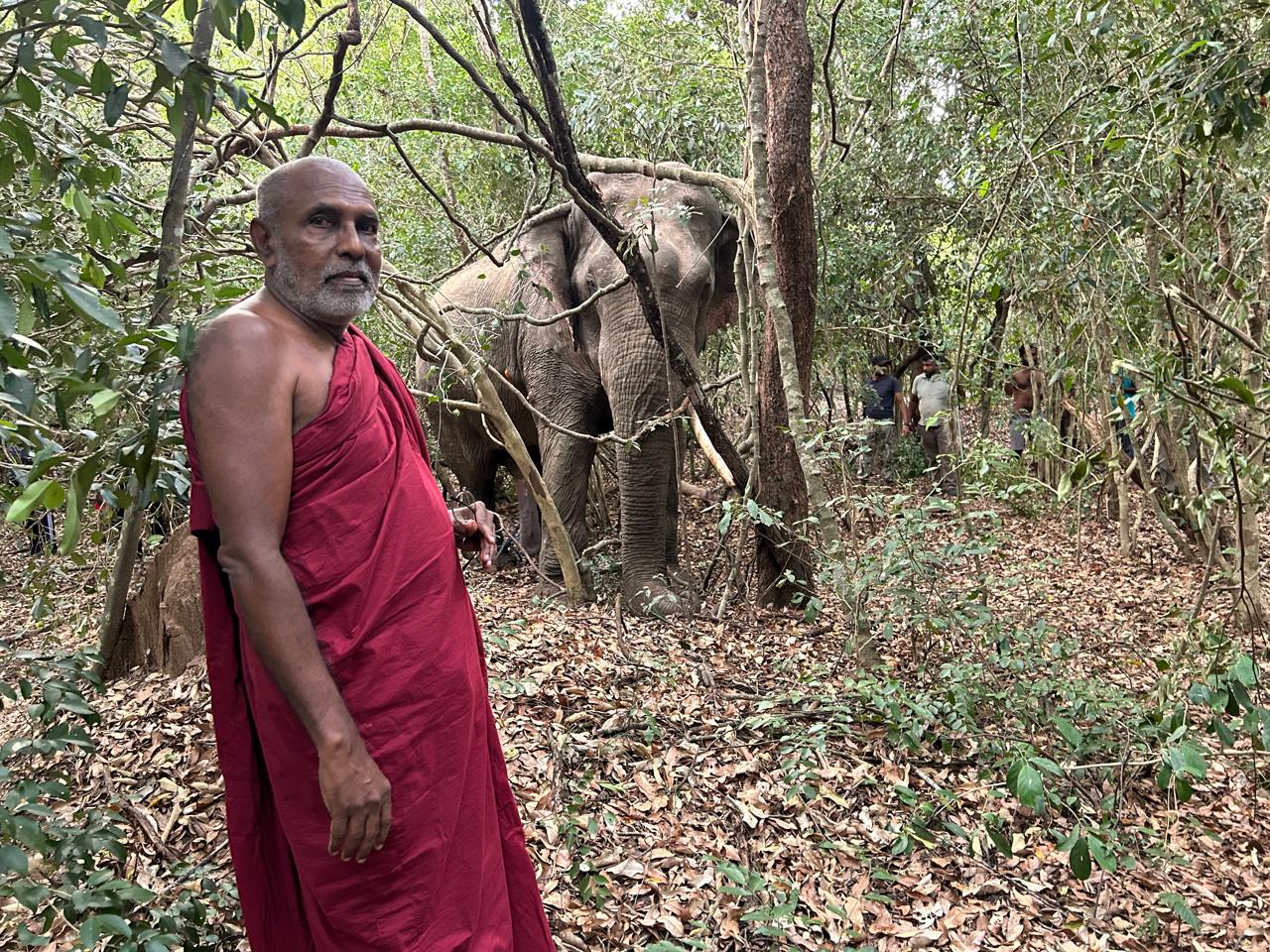
The modern preservation of Namal Uyana is inseparable from the story of Venerable Wanawasi Rahula Thero — the Buddhist monk whose solitary commitment to this ancient forest changed its fate entirely.
When the Venerable Rahula Thero first arrived at Namal Uyana in the late 20th century, the forest was under severe threat of pollution and illegal activities. Chena (slash-and-burn) cultivation was encroaching from all sides. Illegal gem mining was scarring the rose quartz mountain. Treasure hunters were destroying the ancient ruins and valuables . The forest is higly rich in history and biodiversity but those valuves were quietly disappearing due to human activites.
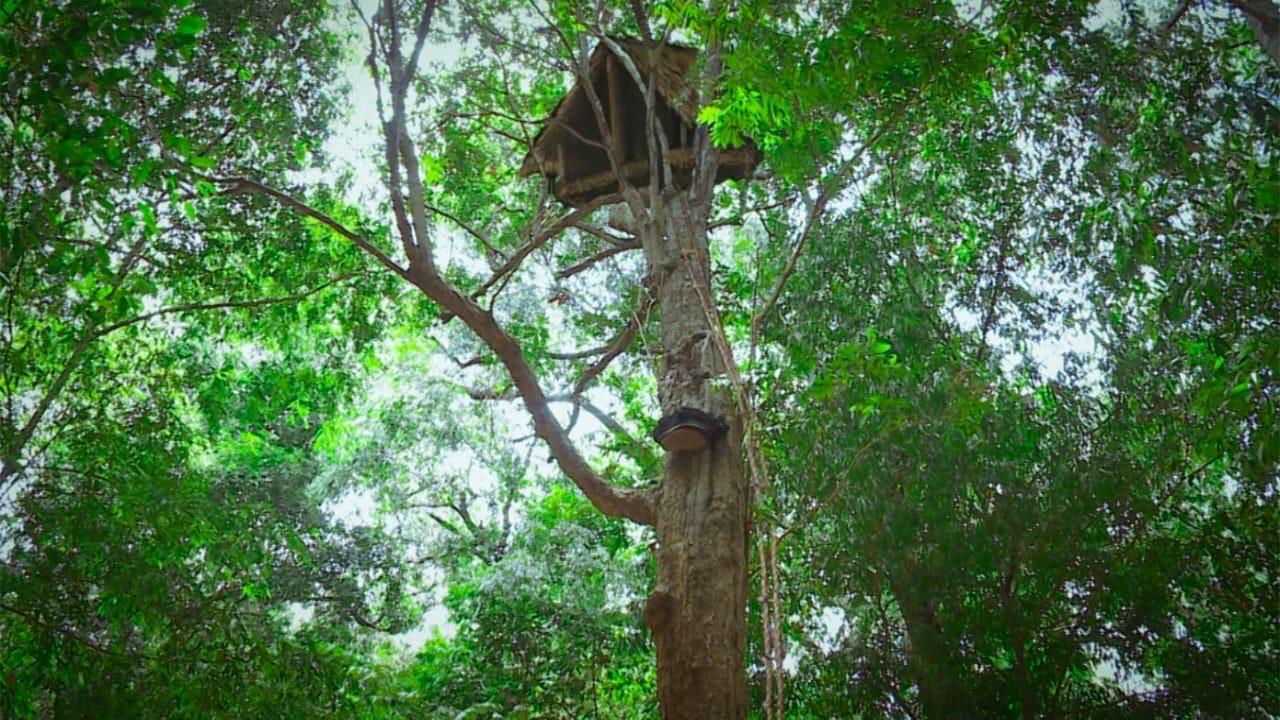
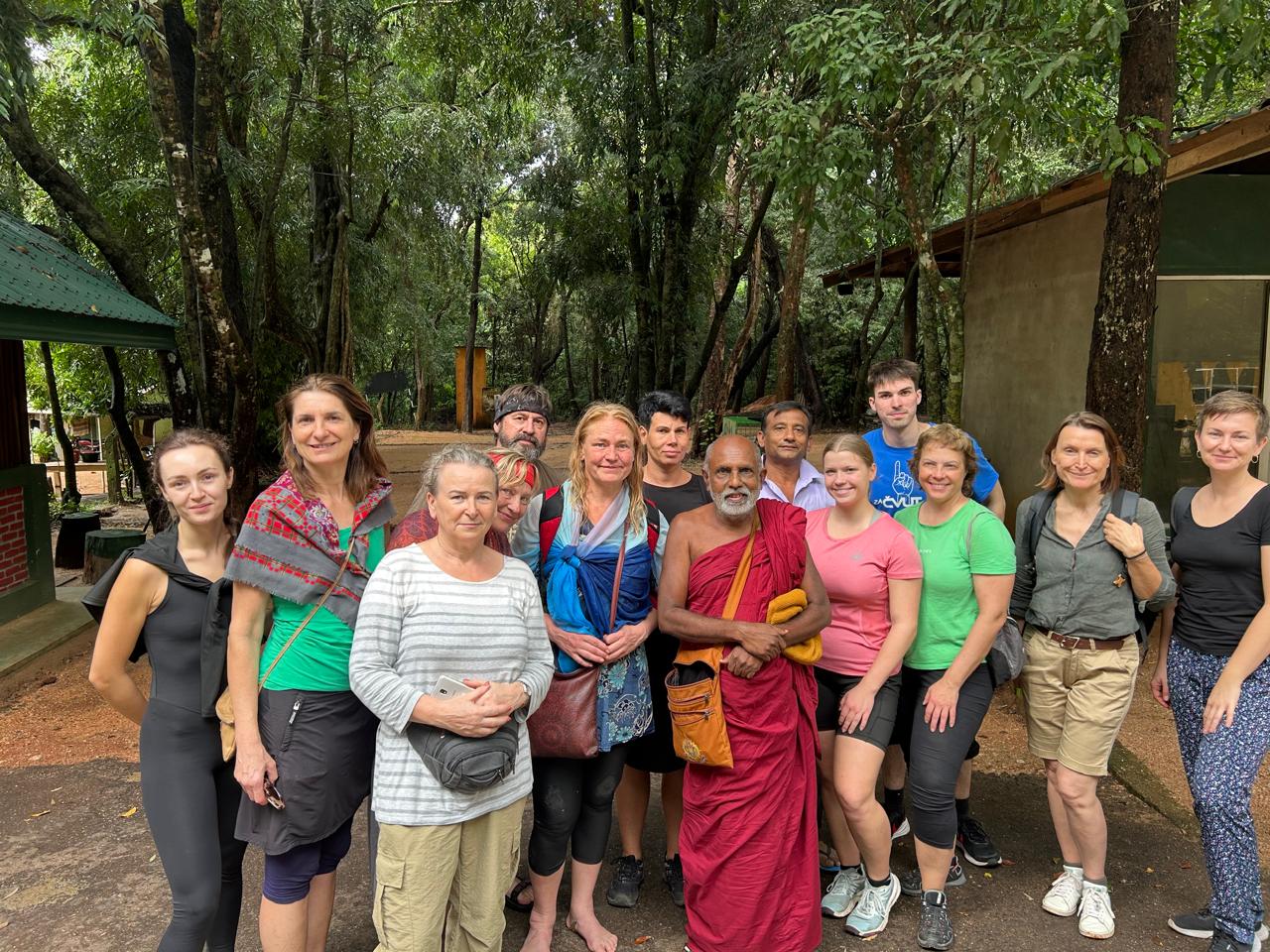
Ven. Rahula Thero settled in the forest building his first shelter on a high Mora tree to protect the Na uyana and to reach his destinated spiritual enlignment. Living as an ancient forest monk leading to spiritual cultivation started in this vantage point and Venerable Rahula Thero started documenting the forest's botanical, archaeological and ecological significance, and building relationships with surrounding communities.
Venerable Rahula Thero understood that the conservation could not be succeed by indiviual effort and as a result, Venerable Rahula Thero worked to build an enviornmetn that provide communities with alternative livelihoods, such as eco tourism, sustainable herb cultivation, forest guiding etc. These strategical mechanisms replaced the destructive practices of the nebour community which was threat to the forest existance. At the moment sustainable nabourhood engagement is the main leading mechanism that legally and ethically support to conserve the fodrest.
Through sustained advocacy and years of quiet, determined effort, Ven. Rahula Thero's campaigns led to the formal recognition of Namal Uyana as an Archaeological Reserve in 2001 and a National Heritage Site in 2005. In August 2003, the Namal Uyana Trust was formally established, creating an institutional framework to support the site's long term conservation.
For Venerable Rahula Thero's extraordinary dedication, he has received various national awards including Parisara Vibhushana, Sri Lankan Haritha, and Parisara Vedi Sasana Jyothi, as well as the Indian title Seda Salu which are dedicated for a lifetime of environmental conservation and cultural preservation.
Today, the Venerable Rahula Thero remains as the spiritual heart of Namal Uyana, the living connection between its ancient monastic past and its future as a globally recognised heritage site.
Namal Uyana is one of Sri Lanka's most ecologically significant sanctuaries which has a unique convergence of dry zone and wet zone effects, geological wonder and living Ayurvedic heritage.
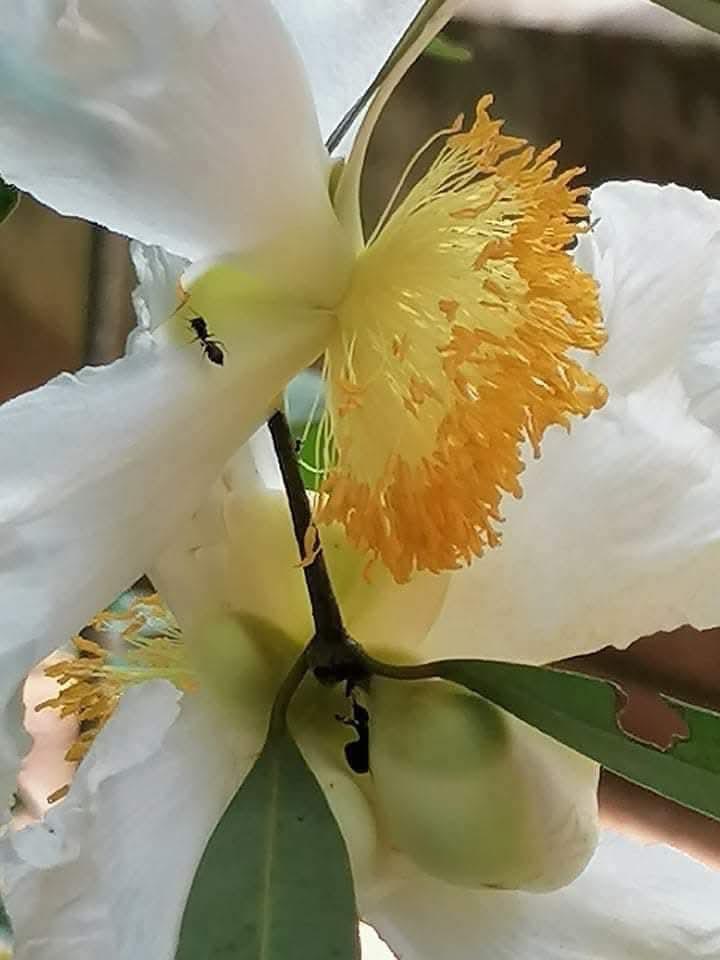
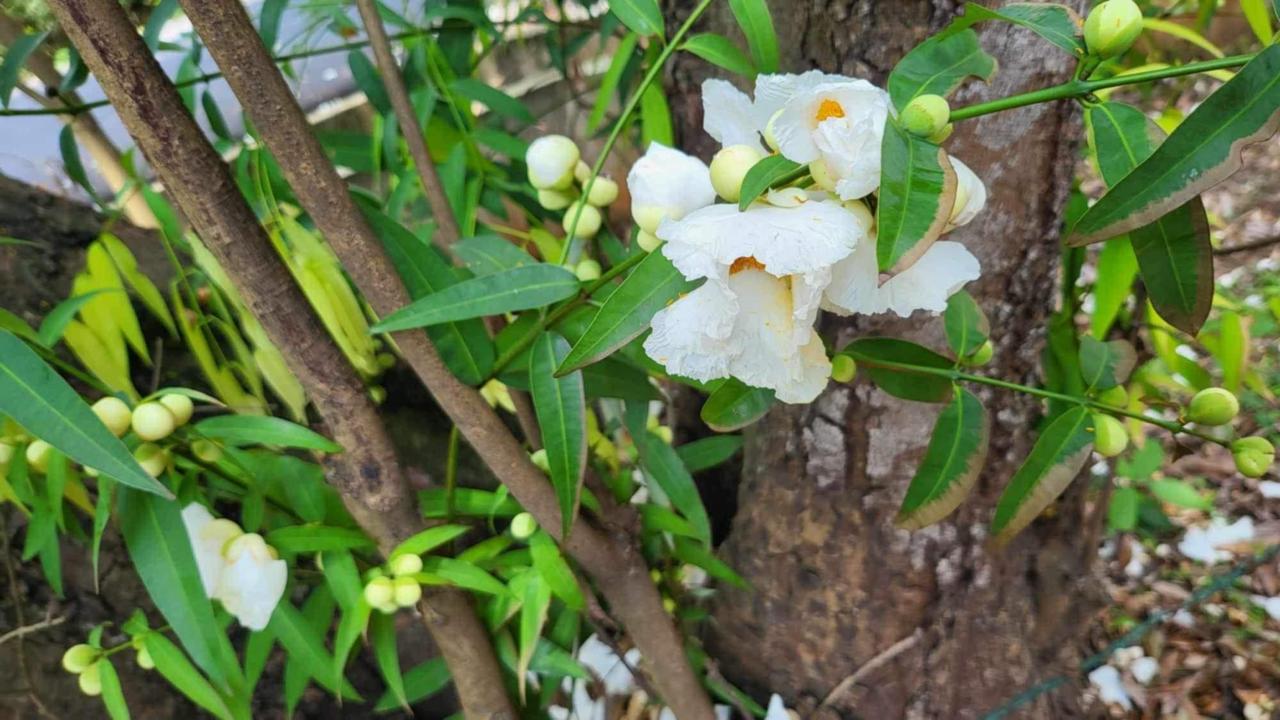
The Na tree (Mesua ferrea), Sri Lanka's national tree now dominates the sanctuary. Known in English as Ceylon Ironwood, these slow growing trees can reach 30 metres tall and live for centuries. Some specimens at Namal Uyana are estimated at over 1,500 years old.
The forest contains two Na tree species i.e Diya Na (water ironwood) and Batu Na (rock ironwood). Young trees display striking reddish pink new leaves while mature trees have deep, glossy green foliage showing a constant cycle of colour throughout the year.
Biologists have recorded 102 species of tropical plants within the sanctuary limits, of which 72–82 are classified as medicinal herbs that used in traditional Ayurvedic medicine. A permanent spring from the quartz mountain supports both dry zone and wet zone species a rare botanical phenomenon.
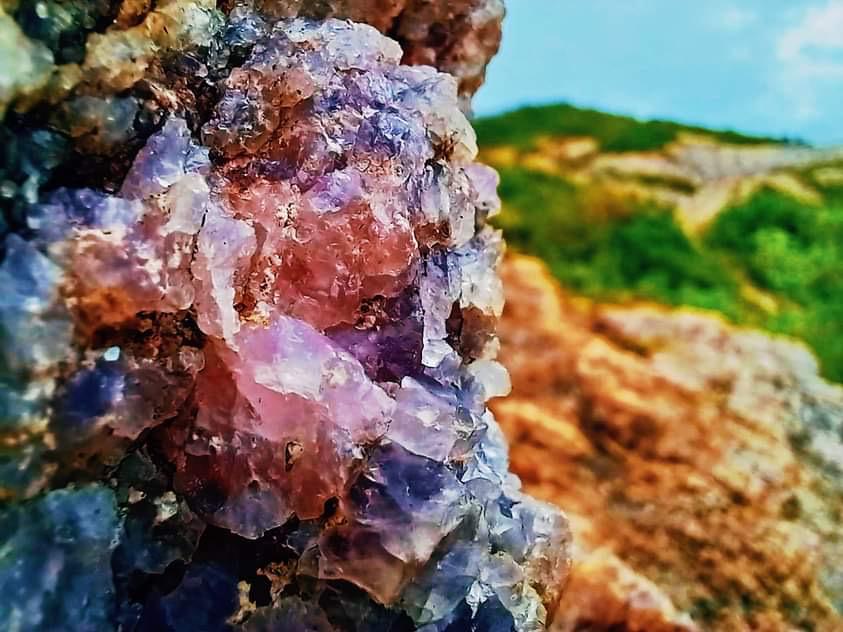
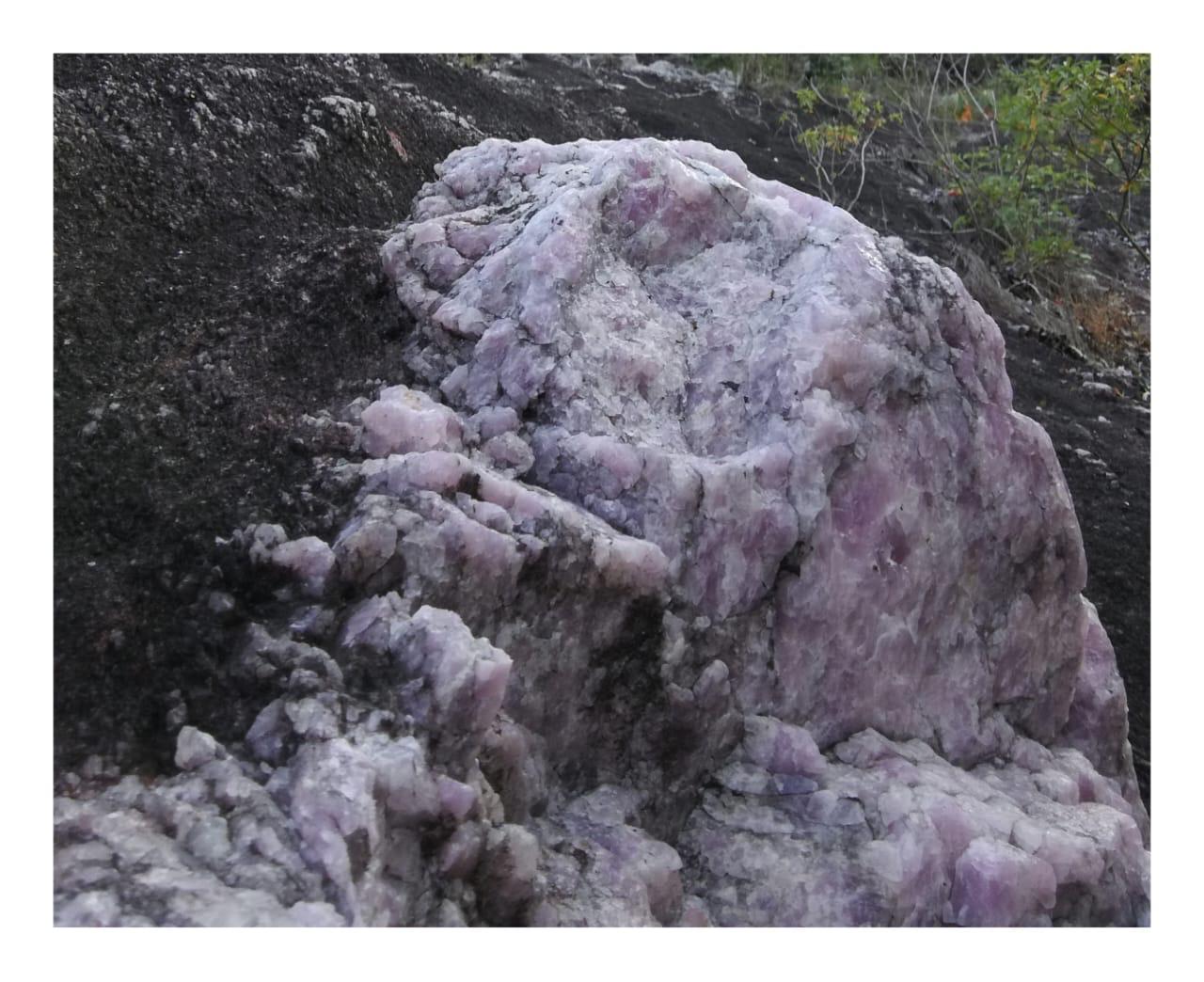
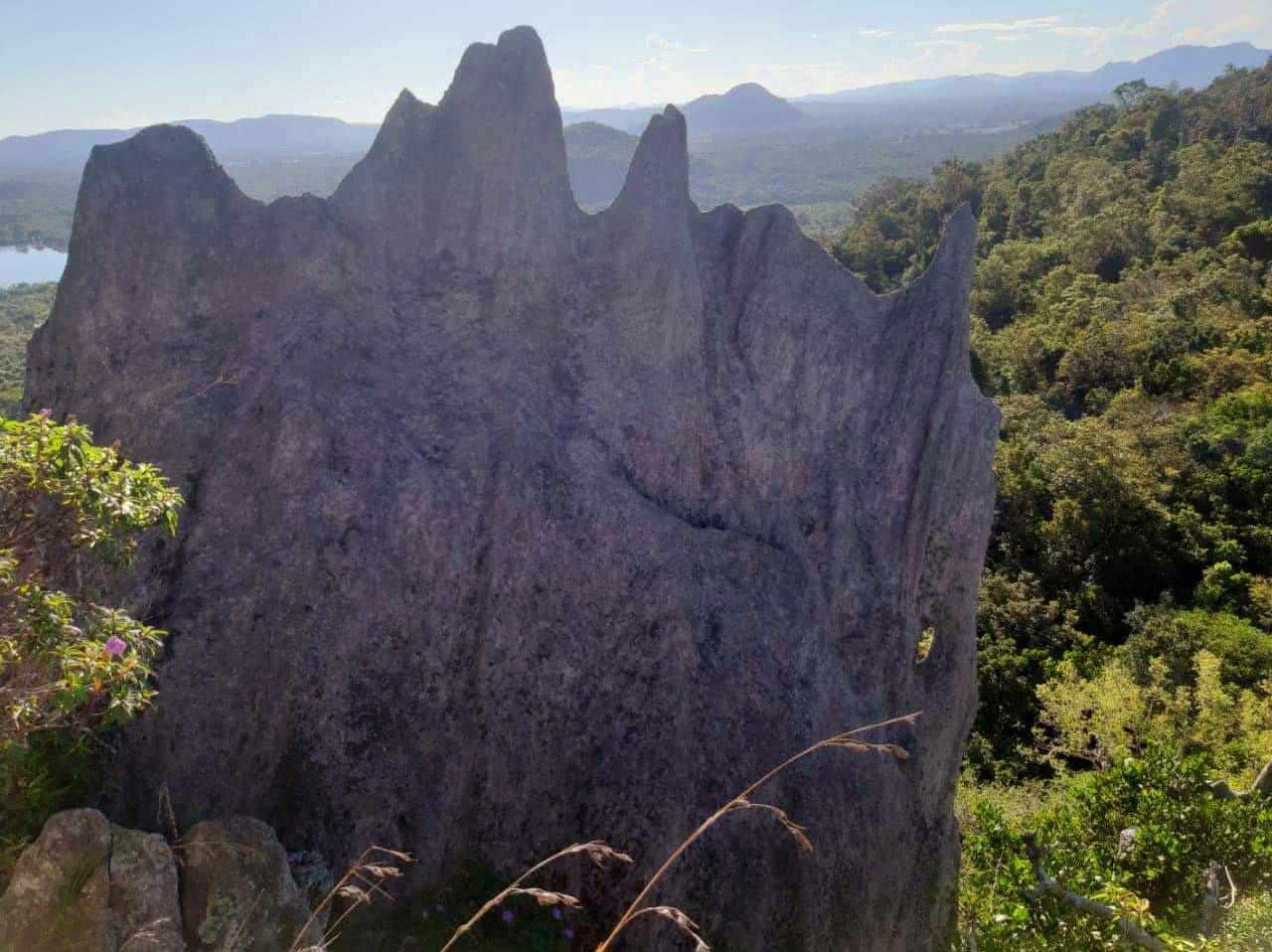
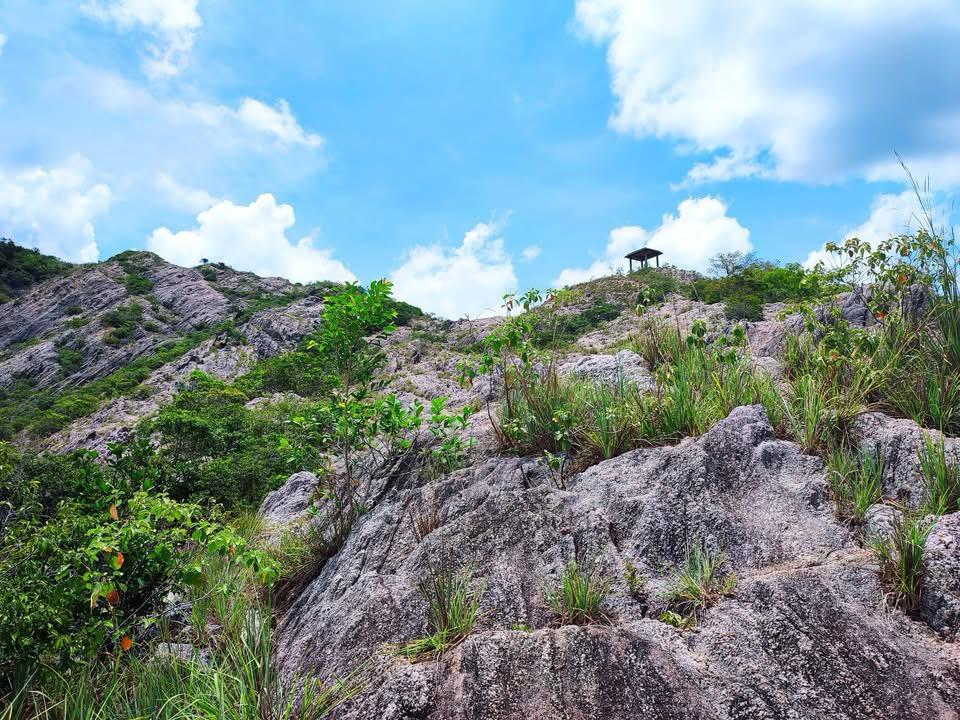
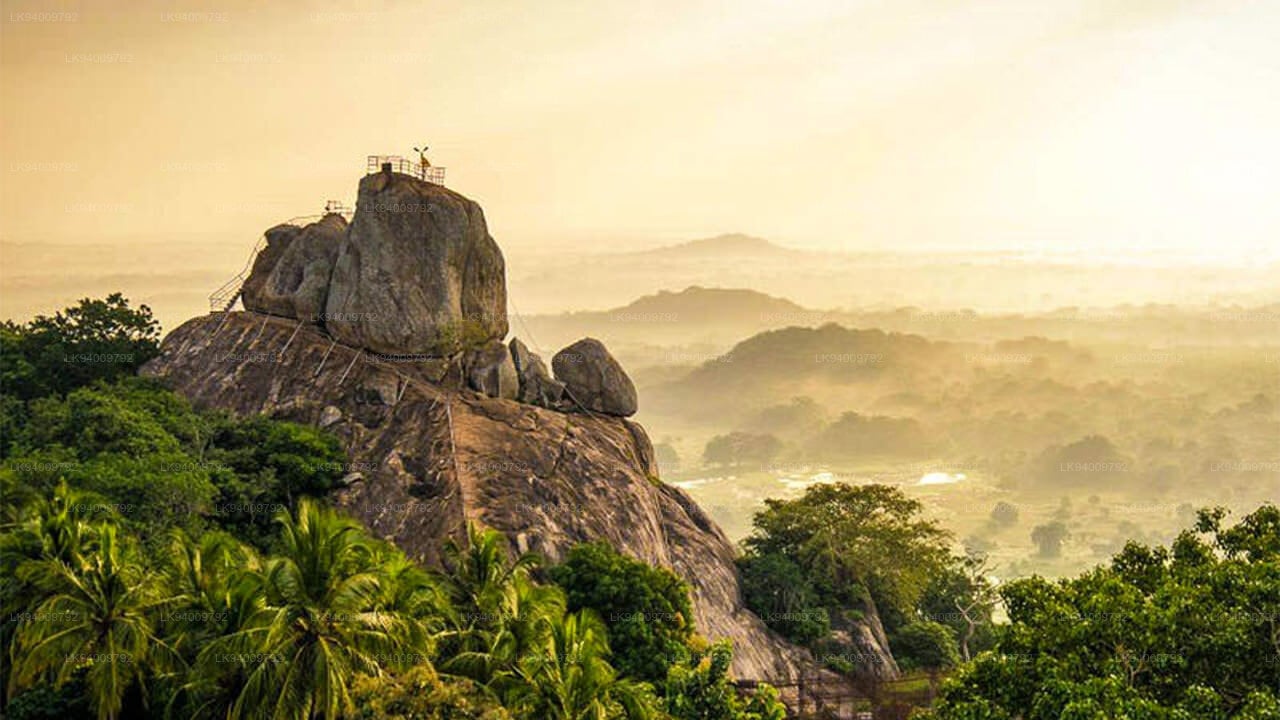
The rose quartz mountain range is the largest such formation in South Asia and among the largest in all of Asia. Seven distinct ridges rise between 180 and 300 metres above sea level, covering approximately 6 square kilometres, surrounded entirely by the Na ironwood forest.
Geologists estimate the quartz deposits formed during the Precambrian era,over 550 million years ago through the slow cooling and crystallisation of silica rich molten magma. Trace minerals including manganese and titanium give the rock its distinctive pink colour.
The surface of the mountain has been weathered and bleached by millennia of sun, rain, and footfall, giving exposed areas a grey white appearance. But beneath the surface, visible in fresh rock faces and riverbeds, the vivid pink quartz still shimmers, particularly at dawn and dusk.
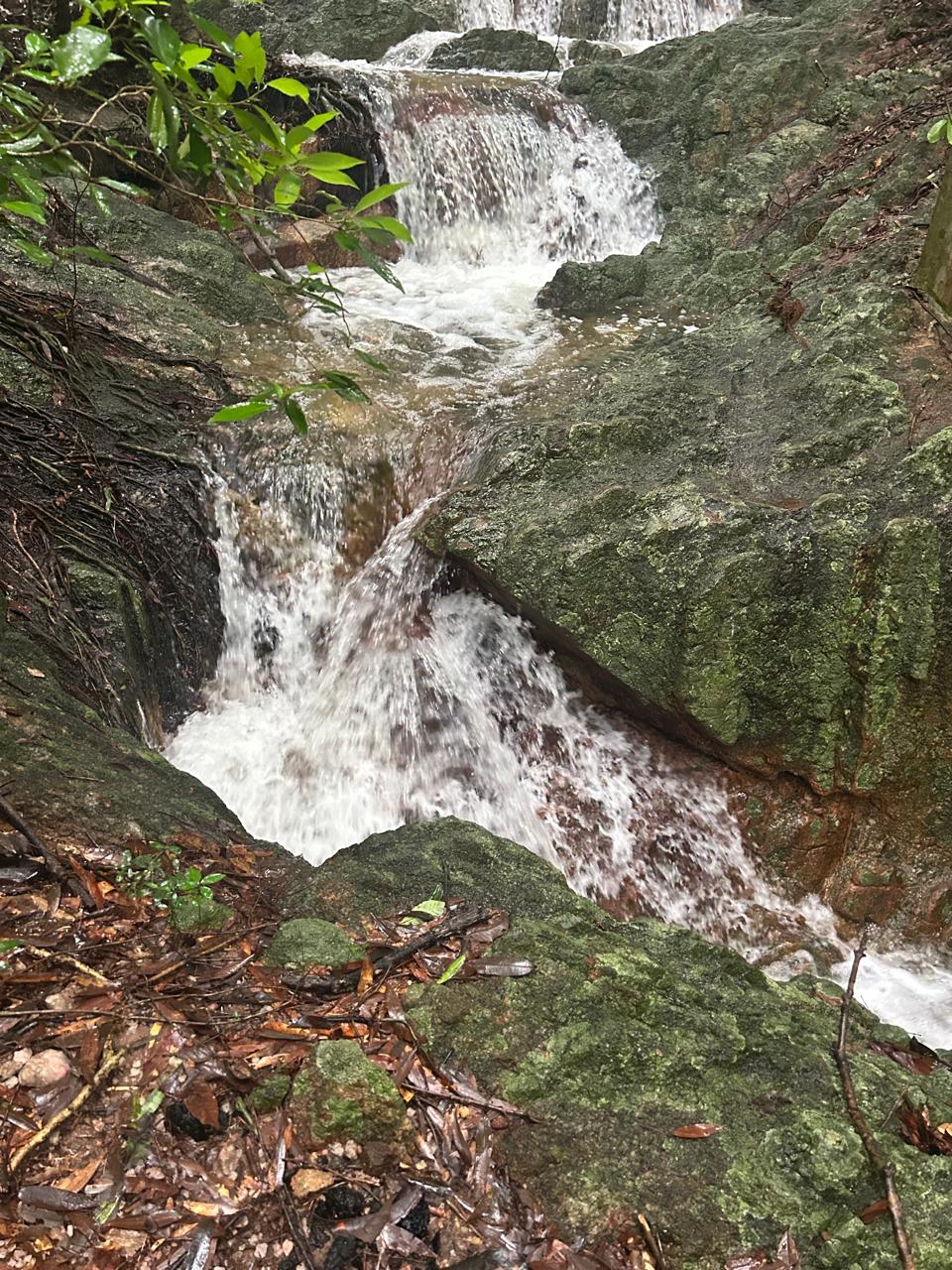
Scientifically, the quartz range holds further importance as the site of Sri Lanka's largest known plant fossil deposits which was preserved tree fossils embedded in quartzite that offer a remarkable window into the region's prehistoric vegetation. A permanent mineral rich spring flows from of the mountain, supplying the forest year round.
In 2026, the rose quartz mountain of Namal Uyana was specially announced as a National Heritage site, further cementing its irreplaceable geological and cultural significance for Sri Lanka and the world.
Legend holds that Emperor Shah Jahan sourced rose quartz from this very mountain for the Taj Mahal.
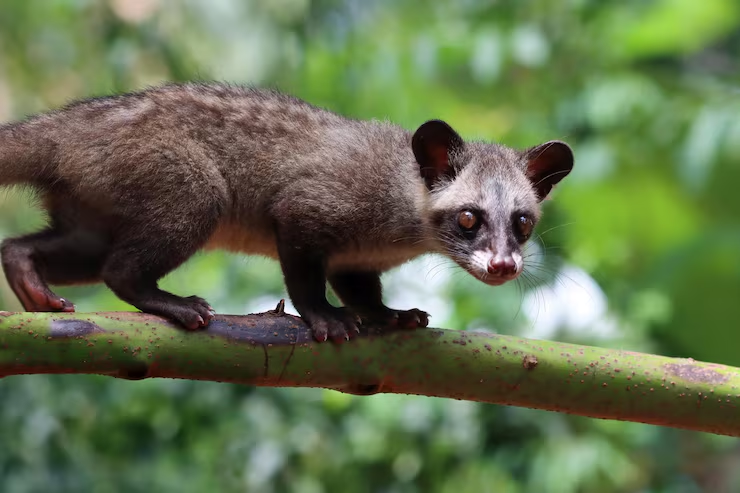
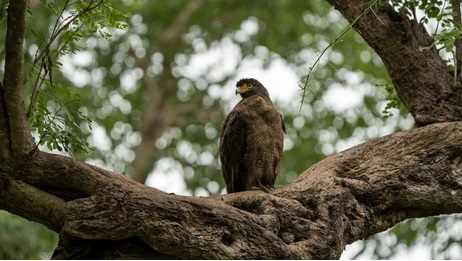
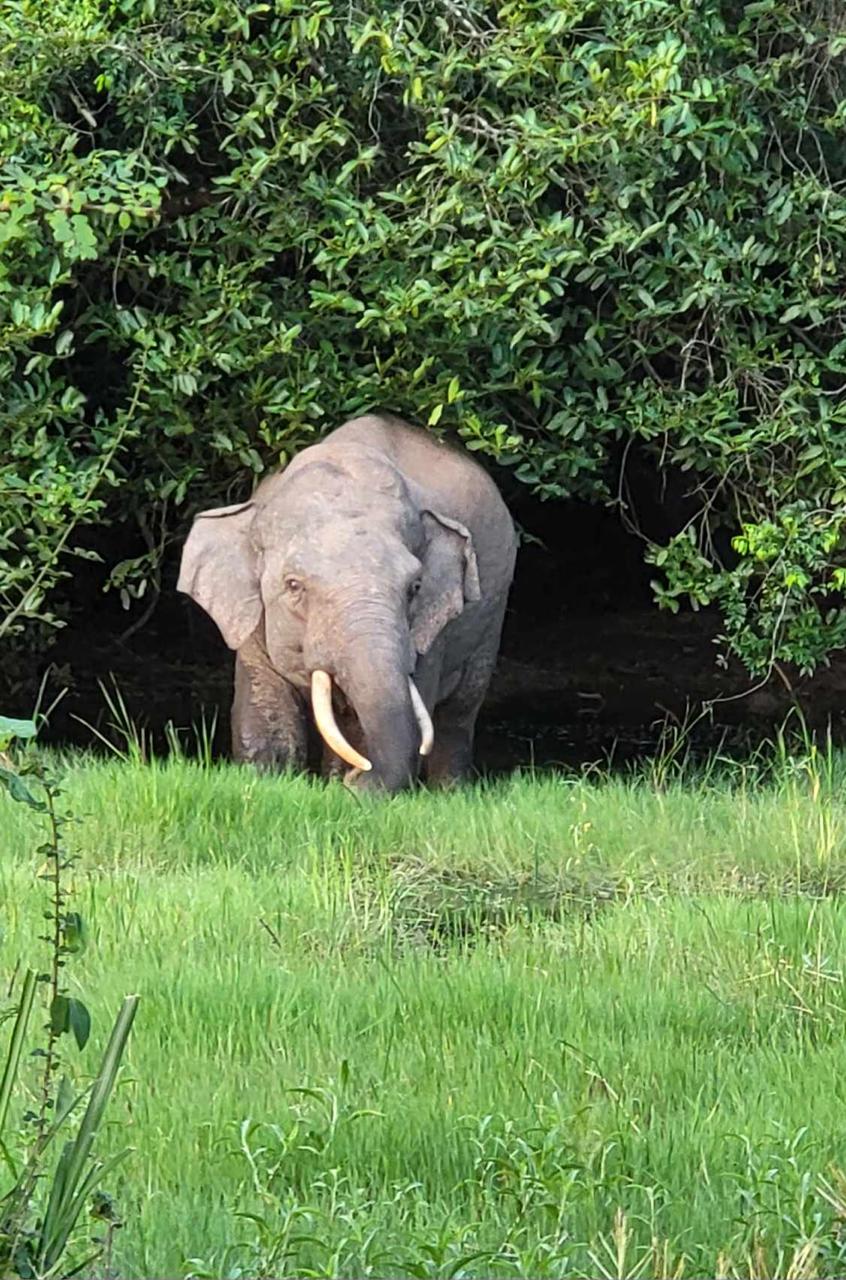
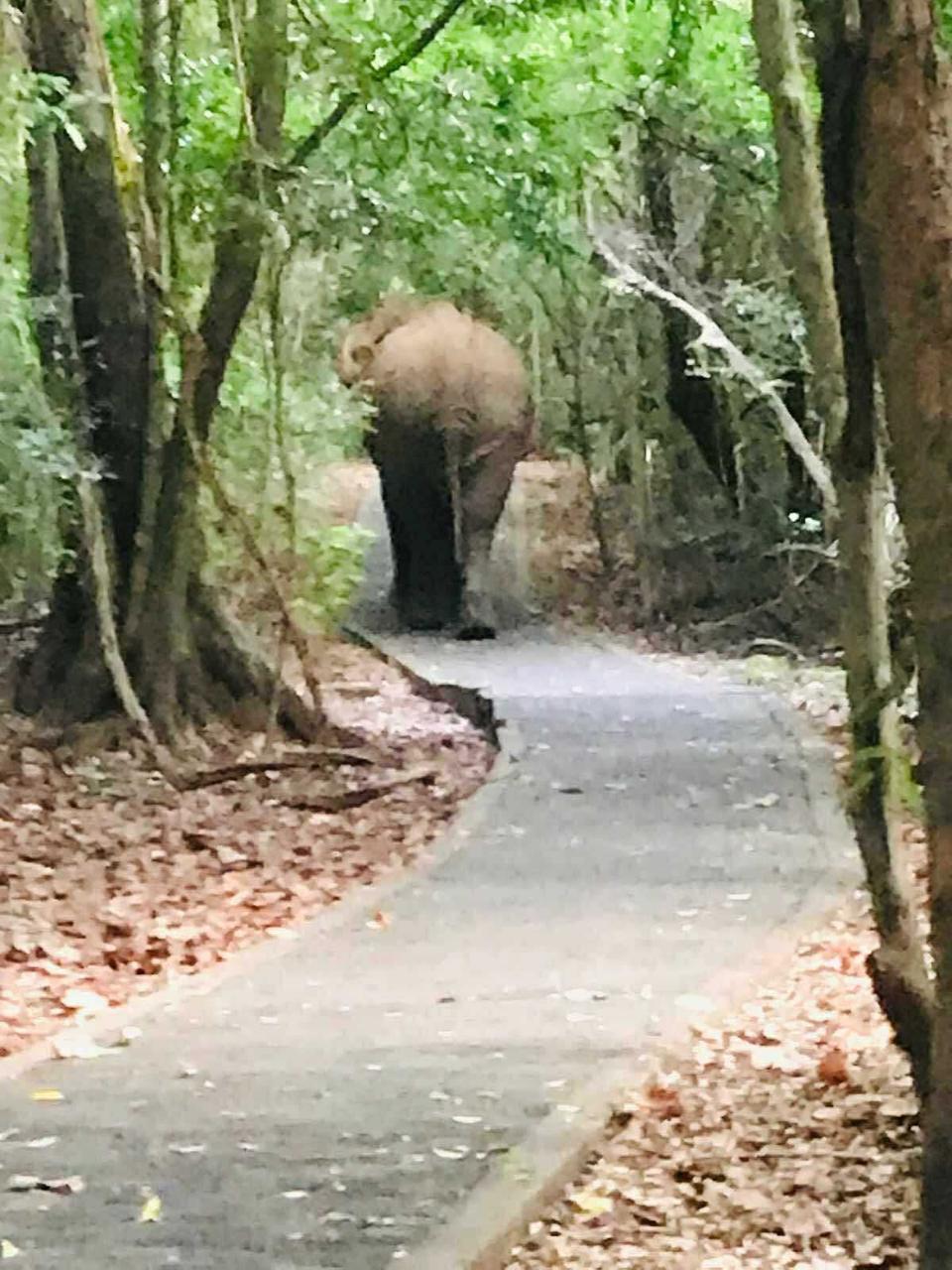
Namal Uyana's forest corridor connects to habitats supporting a rich mammal community. While larger animals are most active at dusk and beyond the main tourist trail, their presence confirms the ecological health of the wider sanctuary.
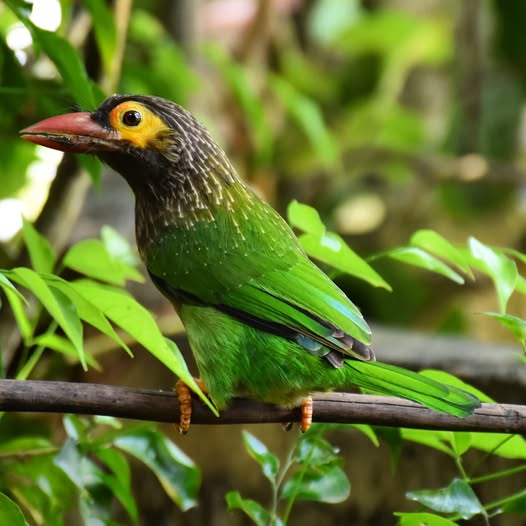
Namal Uyana hosts 18–20 bird species within its diverse habitats. The combination of dense ironwood canopy, open rocky hillsides, and freshwater springs creates varied birdwatching environments. Early morning visits offer the richest experience.
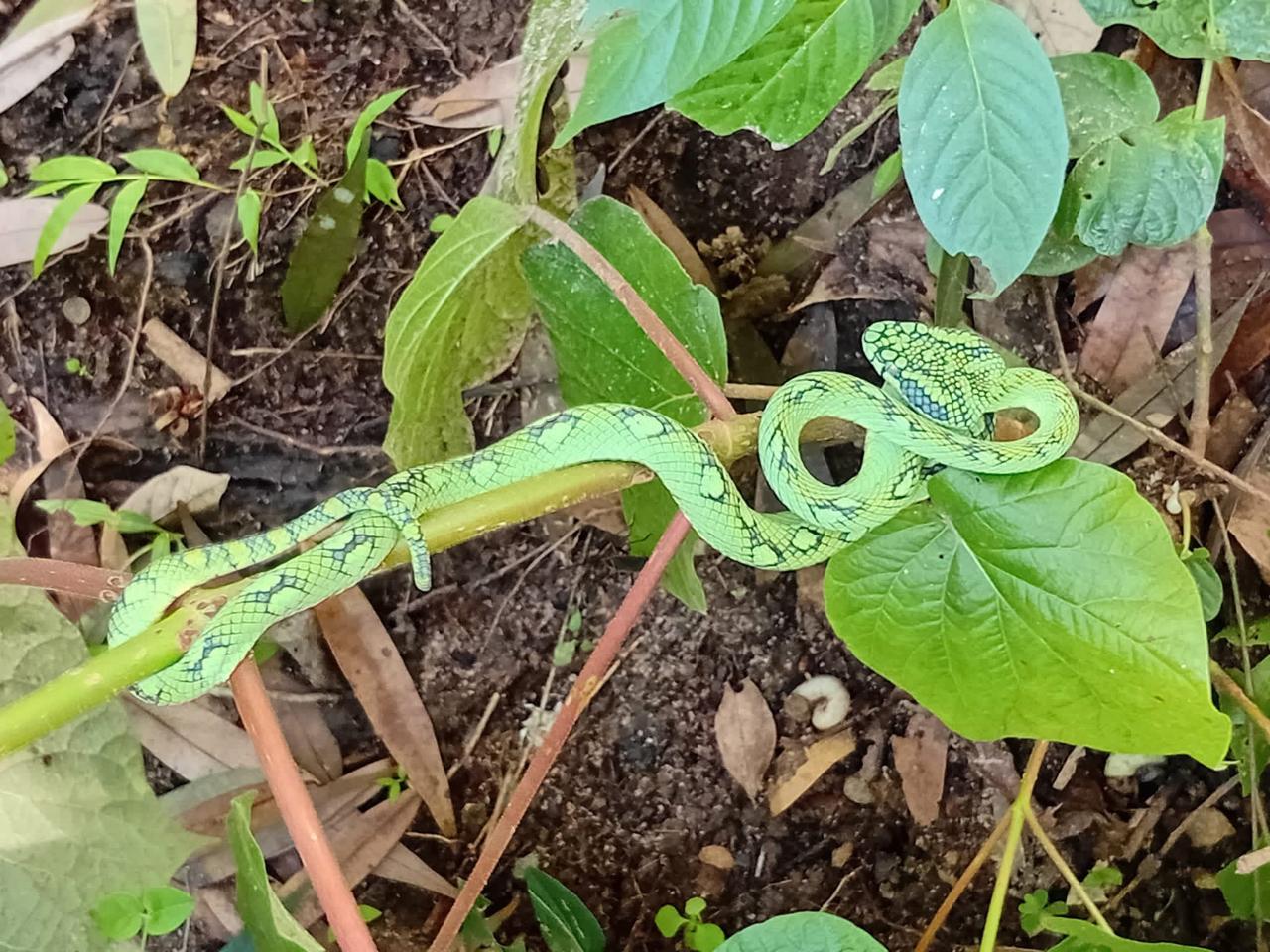
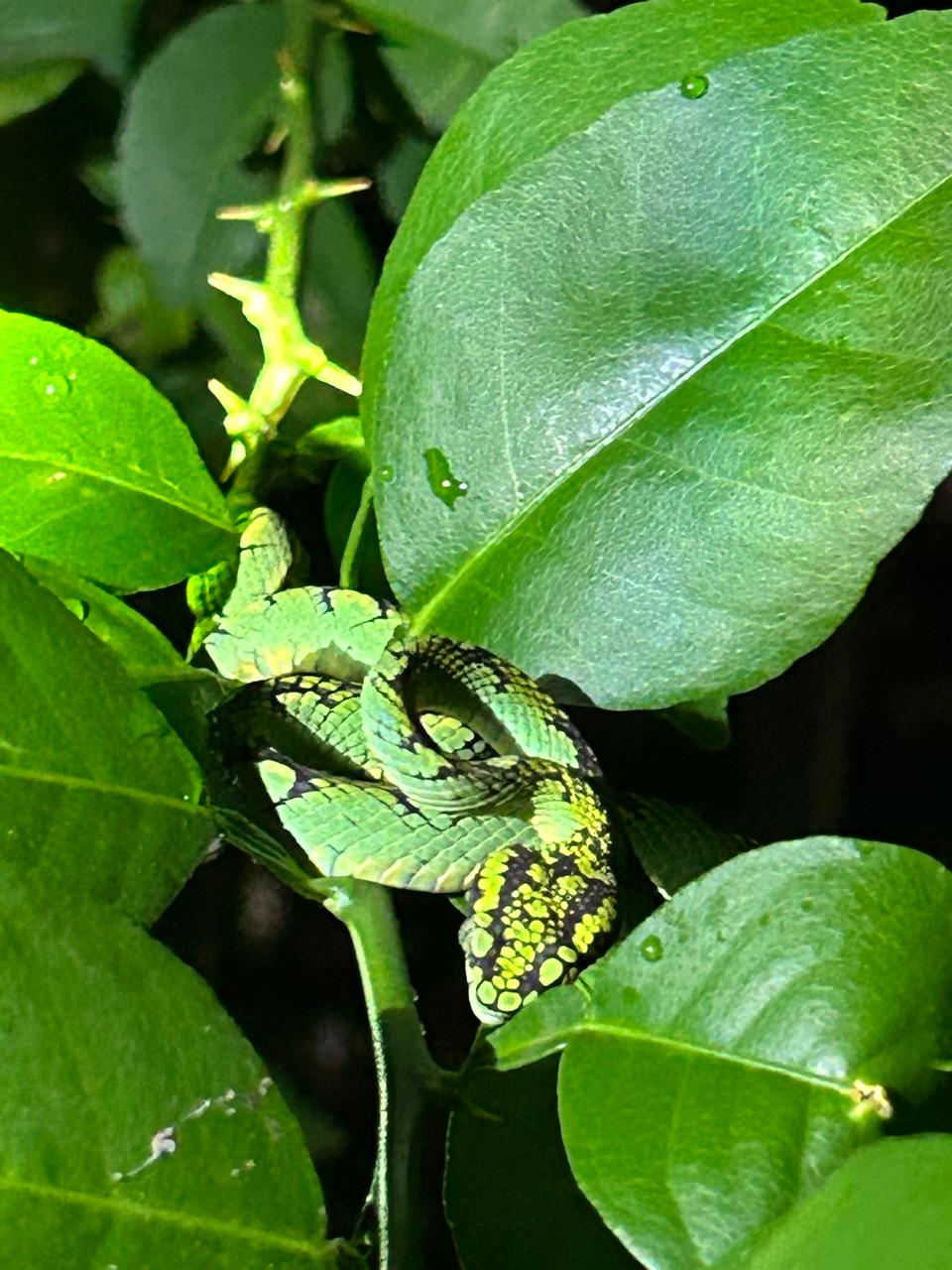
Namal Uyana is remarkable for hosting all major snake species native to Sri Lanka and this biodiversity is a testament to the sanctuary's ecological completeness and the diversity of habitats.
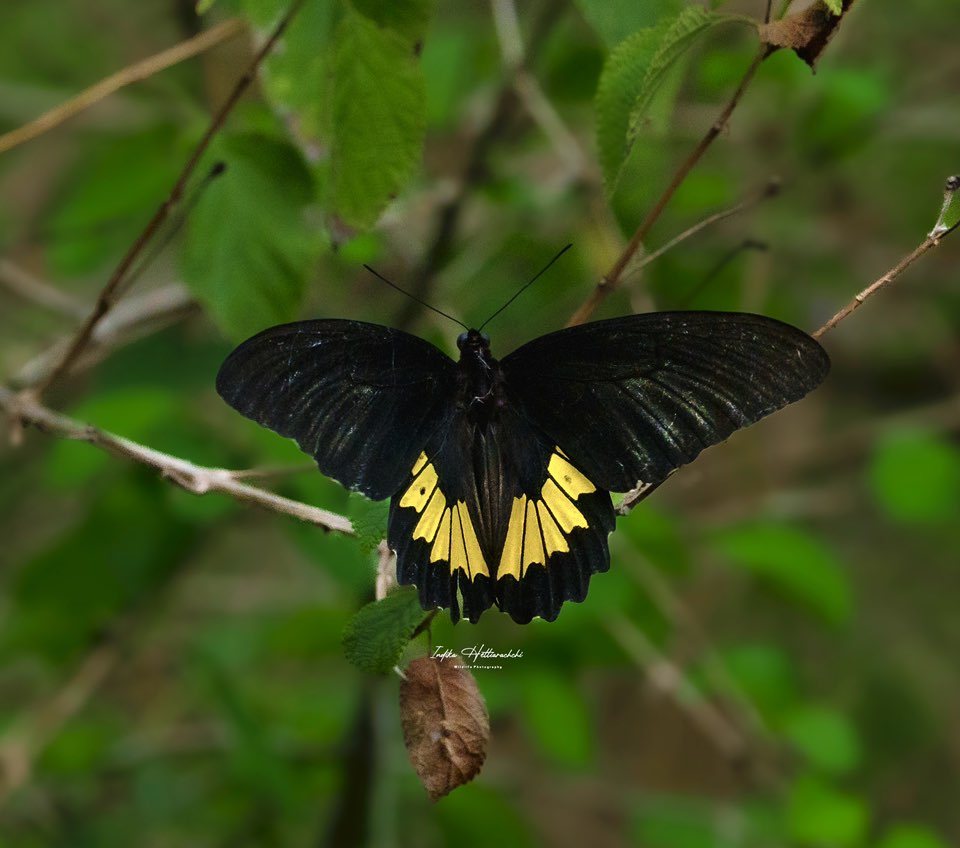
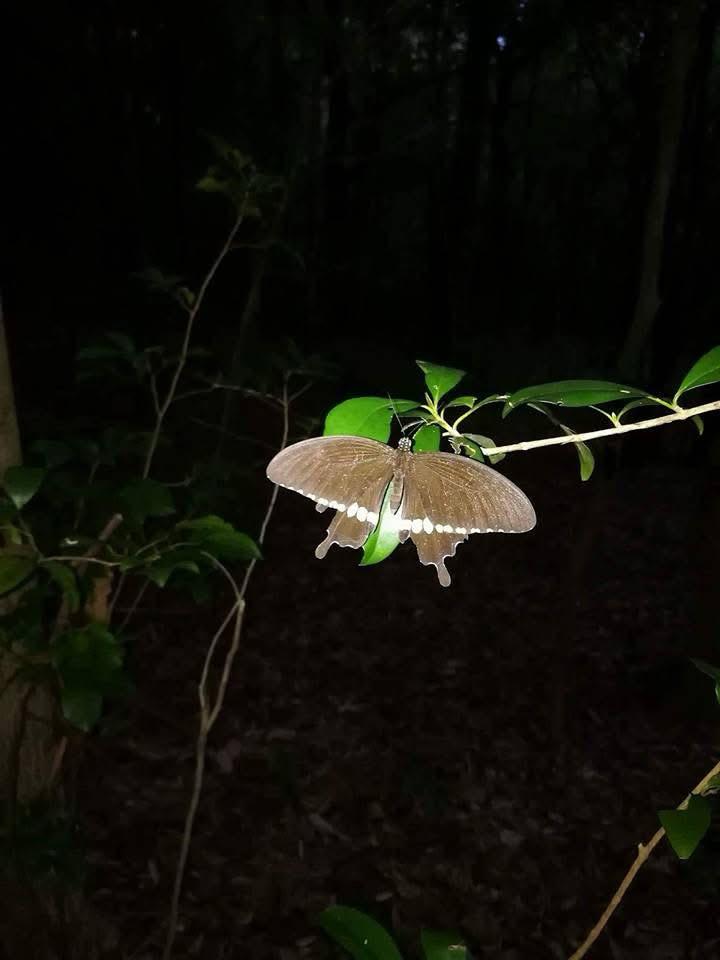
Insect diversity of Namal uyana can be identified as an extraordinary situation. Biologists have recorded 75 species of ants within the sanctuary and it is an exceptional figure reflecting the rich endemic diversity of the ironwood forest floor.
Four transformative ways to experience the sanctuary — from forest walks to Ayurvedic healing retreats
Rooted in 2,300 years of Buddhist forest meditation tradition. Guided retreats in the tranquil Na forest is led by experienced resident monks. Traditional Sri Lankan vegetarian meals and safe overnight accommodation included.
Expert guided immersive journeys through the ironwood forest, helps to watch quartz hillsides and archaeological ruins, identification of medicinal plants, spot wildlife, explore geology and uncover the secrets of the ancient forest.
Authentic Ayurvedic healing using 72+ medicinal plants sourced directly from the sanctuary's living forest garden. All treatments administered by qualified physicians in the traditional Sri Lankan (Deshiya Chikithsa) system.
Namal Uyana remains at the heart of Sri Lanka's Cultural Triangle, perfectly positioned for multi site heritage visits
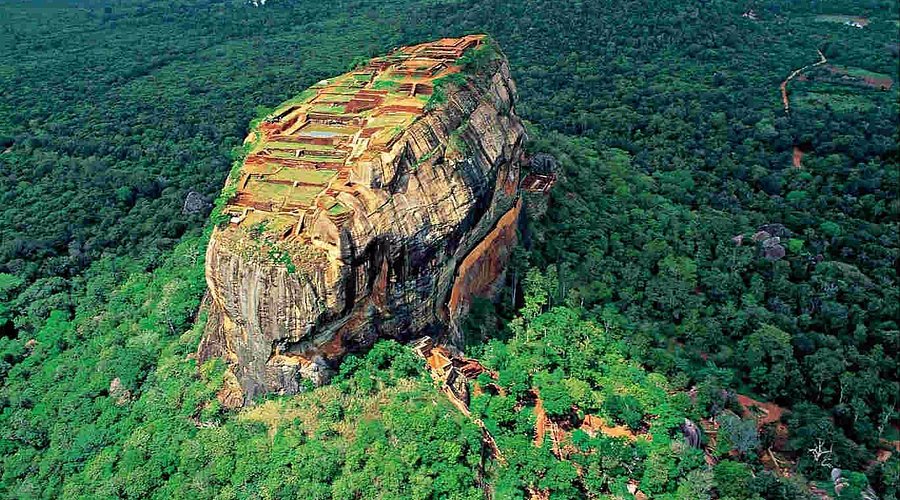
UNESCO World Heritage Site and one of the world's most dramatic ancient palaces, perched atop a volcanic rock rising 200m above the surrounding jungle.
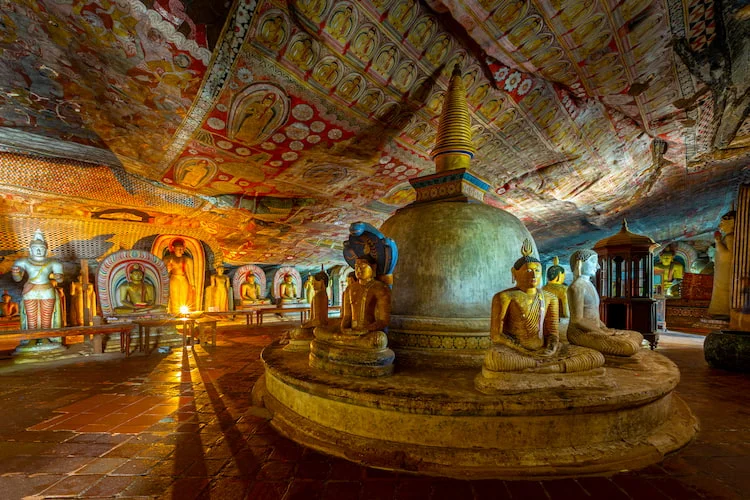
Sri Lanka's largest and well preserved cave temple complex, including a UNESCO World Heritage Site with five caves containing 153 Buddha statues and stunning ancient murals.
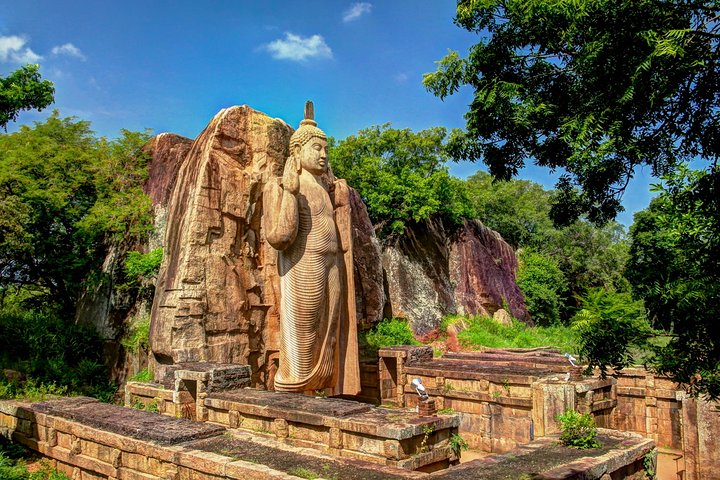
One of the finest examples of ancient Sri Lankan sculpture — a 12-metre standing Buddha carved from a single granite rock, dating to the 5th century CE.
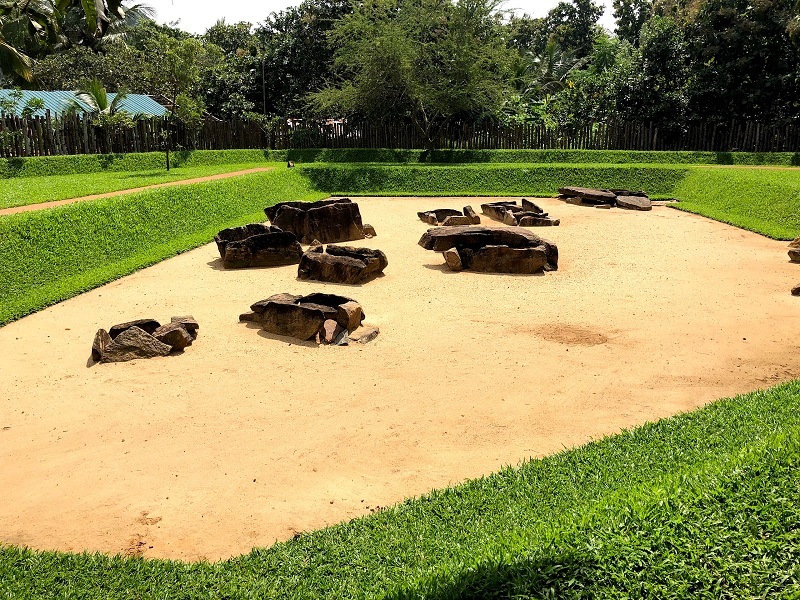
An important archaeological site featuring prehistoric megalithic burial chambers dating back over 2,500 years, offering fascinating insights into pre Buddhist Sri Lankan society.
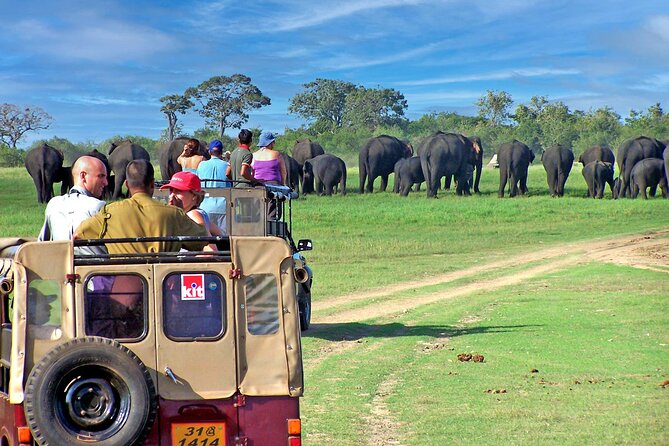
Home to the famous 'Gathering' is one of the world's largest concentrations of wild Asian elephants, assembling annually at Minneriya reservoir during the dry season.
The sacred mountain where Buddhism was first introduced to Sri Lanka in 247 BCE, when Arahat Mahinda Thera met King Devanampiya Tissa. A site of profound spiritual and historical importance.
Open daily during daylight hours. Early morning (8:00–9:00 AM) is strongly recommended — cooler, less crowded, best for wildlife.
USD 10 (adult), USD 6 (child). Meditation & Ayurvedic programmes: quoted separately.
January to April (dry season) for ideal conditions. December to April is the best quartz mountain climbing. Avoid midday heat because the open quartz slopes have no shade.
Sturdy walking shoes, sun hat, sunscreen, 1.5L+ water per person, camera. Modest clothing respectful of the Buddhist sanctuary. No plastic bags.
Whether you are planning a day visit, a meditation retreat, an Ayurvedic healing programme, or a guided nature tracking experience, we are here to help you plan an unforgettable visit to Sri Lanka's most extraordinary sanctuary.
Submit the form and we will reach out via WhatsApp to confirm your booking, answer your questions, and tailor your experience to your needs.