From Ancient Sanctuary to National Heritage
King Devanampiya Tissa — Buddhist Monks Settle the Forest
Buddhist monks firstly settled at Namal Uyana ancient forest under the royal patronage of King Devanampiya Tissa and this was the monarch who first welcomed Buddhism to Sri Lanka when Arahat Mahinda Thera descended upon Mihintale in 247 BCE. The monks built simple forest dwellings amid the great Na trees, practising the ancient Theravada forest monastery tradition.
This early monastic settlement established Namal Uyana as a place of spiritual significance and royal protection, laying the foundations for its role as sanctuary for over two millennia.
Royal Sanctuary Declared — King Dappula IV and The Adiyagala Inscription
The celebrated Adiyagala inscription, carved in stone near Ulpathgama, declared Namal Uyana a royal sanctuary of refuge under King Dappula IV. The inscription states that "even the king himself did not have authority to apprehend those who sought refuge within Namal Uyana's boundaries", making this one of the world's earliest documented decrees of asylum for both humans and animals.
This extraordinary inscription is considered one of the most significant in Sri Lankan legal and humanitarian history. The concept of sanctuary encoded in stone over 1,200 years ago makes Namal Uyana a pioneering site in the history of human rights.
The Legend of the Na Trees — Asylum Seekers Plant the Forest
According to histroy, those seeking asylum within Namal Uyana were required by the resident monks to plant and tend Na trees during their time of refuge. Over generations, this practice gave the forest its remarkably structured, plantation ike character, unusually regular in layout for a natural forest, as if planted row by row.
Botanists and historians today believe this legend has strong basis in fact, explaining both the density of Na trees and the unusual uniformity of their spacing across the forest floor. The trees thus planted stand as living monuments to thousands of years of human forest co-existence.
The Taj Mahal Legend — Emperor Shah Jahan & Rose Quartz
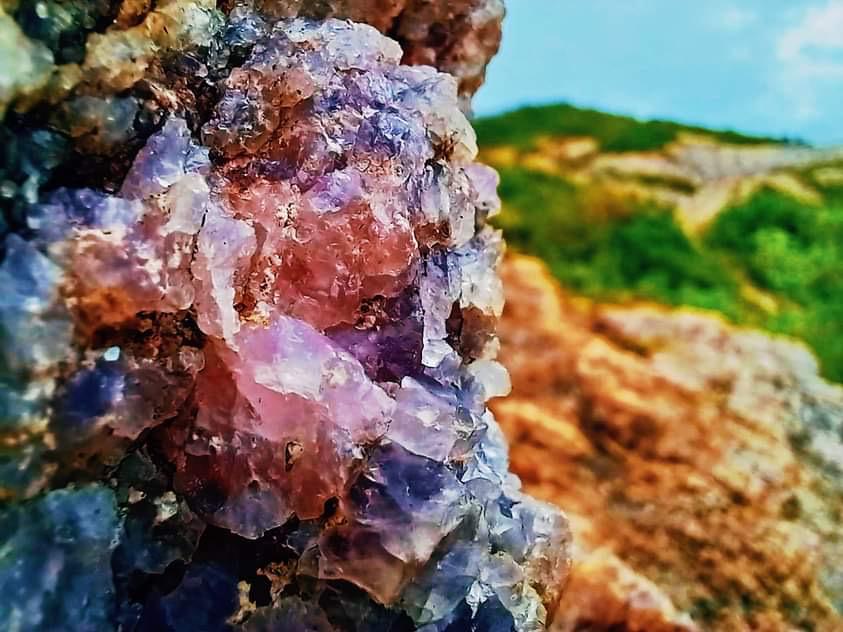
Local legend — passed down through generations — holds that Emperor Shah Jahan of the Mughal Empire sent envoys to Sri Lanka to source rose quartz for the construction of the Taj Mahal in Agra, India. The quartz, with its distinctive pale pink hue and translucent quality, is said to have been taken from the mountain at Namal Uyana.
While this legend cannot be verified by contemporary historical record, it reflects both the extraordinary beauty and the historical renown of Namal Uyana's rose quartz mountain with a formation whose aesthetic qualities were clearly recognised across the ancient world.
Arrival of Ven. Wanawasi Rahula Thero — Commencement of the Preservation of the Forest

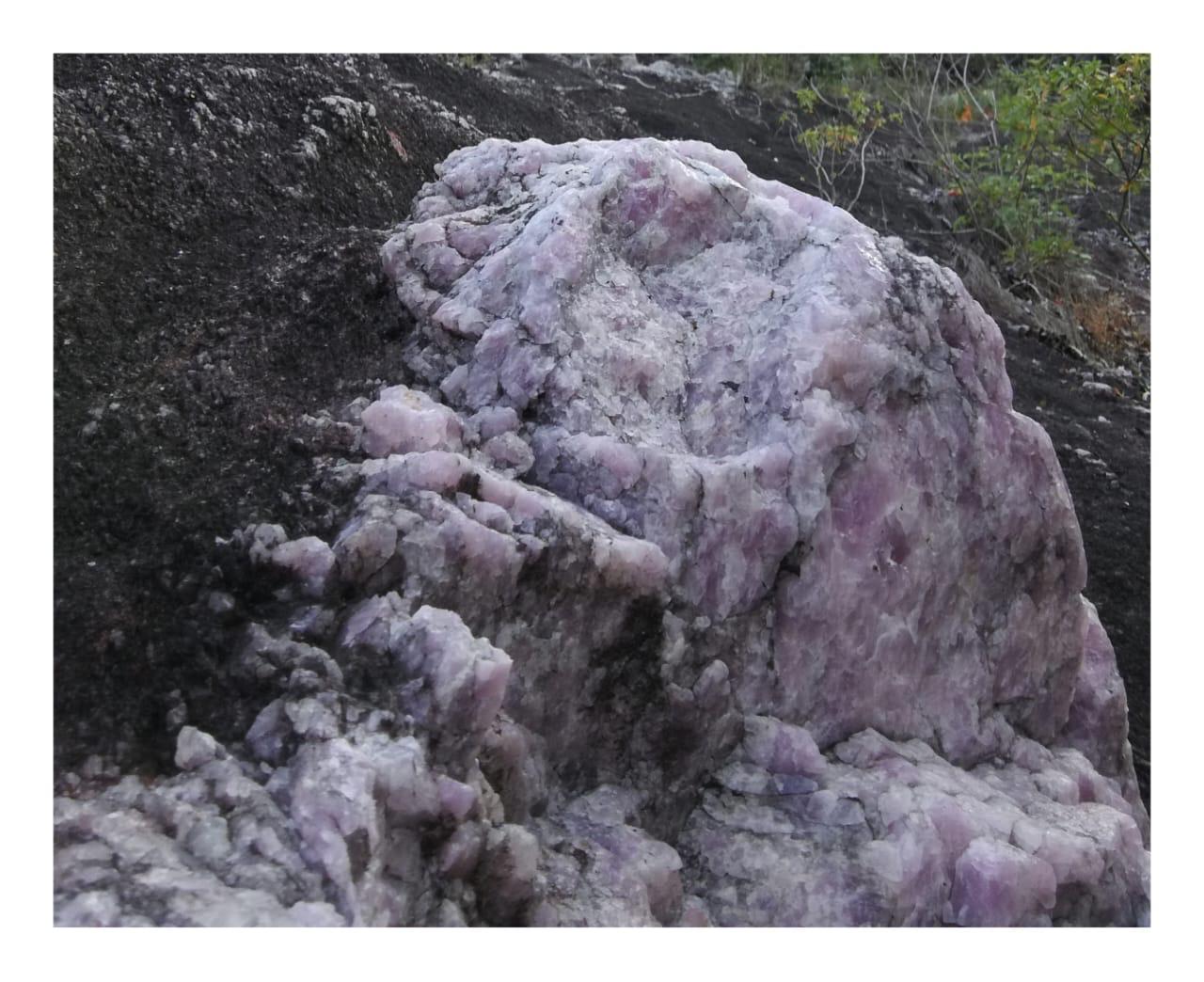
When Venerable Wanawasi Rahula Thero first arrived at Namal Uyana, the forest was under acute threat. Chena (slash-and-burn) cultivation was destroying the forest boundaries. Illegal gem mining was scarring the rose quartz mountain. Treasure hunters were ransacking the ancient monastery ruins.
Undeterred, the Venerable Thero built his first shelter high in a Mora tree, living as the forest monks of antiquity had lived. He began documenting the forest's botanical, archaeological and ecological significance, and building relationships with surrounding communities — offering alternative livelihoods through eco-tourism and sustainable herb cultivation.
His decades of tireless advocacy would ultimately change the destiny of Namal Uyana entirely.
Archaeological Reserve Designated
Following Ven. Rahula Thero's sustained campaigns and growing national recognition of the site's importance, the government of Sri Lanka formally designated Namal Uyana as a protected Archaeological Reserve on 12 November 2001. This provided the first formal legal protection for the forest and its ancient ruins.
Namal Uyana Trust Established
The Namal Uyana Trust was formally established in August 2003 to fund conservation, community development, and the creation of a community environmental and research centre. The Trust provided an institutional framework for the long-term stewardship of the site, channelling support from Sri Lankan civil society, the diaspora, and international conservation organisations.
National Heritage Site Declared
On 28 May 2005, Jathika Namal Uyana was formally declared a National Heritage Site and National Forest Reserve under the Department of Wildlife Conservation. This was the culmination of years of advocacy led by Ven. Rahula Thero and the Namal Uyana Trust, and one of the most significant conservation milestones in Sri Lanka's modern environmental history.
The declaration provided the full legal protection needed to end the encroachments that had threatened the forest, and opened the door to international recognition and heritage tourism.
🏛️ National Heritage Announced — A New Chapter
National Heritage Announced in 2026

In 2026, the government of Sri Lanka announced a special recognition of Jathika Namal Uyana as a National Heritage site, reinforcing and expanding upon the protections established in 2005. This announcement acknowledges the site's global significance and commits renewed resources to its conservation, research, and international promotion. The 2026 heritage announcement is seen as a crucial step toward the ongoing UNESCO World Heritage nomination — a process that, if successful, would place Namal Uyana among the world's most globally recognised protected sanctuaries.
UNESCO World Heritage Nomination
The active UNESCO World Heritage nomination process is underway for Jathika Namal Uyana, with the site's extraordinary combination of geological, ecological, archaeological and living cultural values meeting multiple UNESCO criteria. Successful nomination would place Namal Uyana alongside Sri Lanka's other UNESCO World Heritage Sites such as Sigiriya, Anuradhapura, Polonnaruwa, Dambulla, Galle Fort, Kandy and Sinharaja as globally recognised treasures.

The Adiyagala Inscription
"Even the king himself did not have authority to apprehend those who sought refuge within Namal Uyana's boundaries" — one of history's earliest sanctuary decrees, carved in stone near Ulpathgama, 8th–10th century CE.